Understanding the Effects of Benadryl on Canine Health
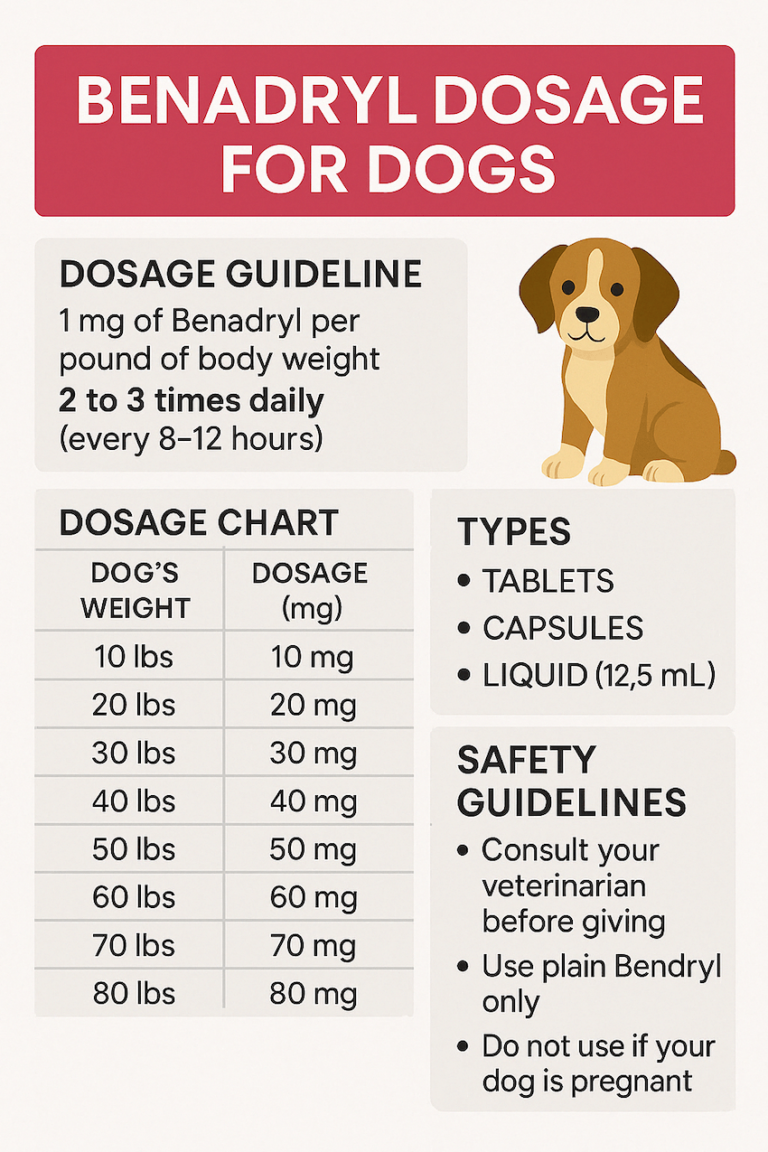
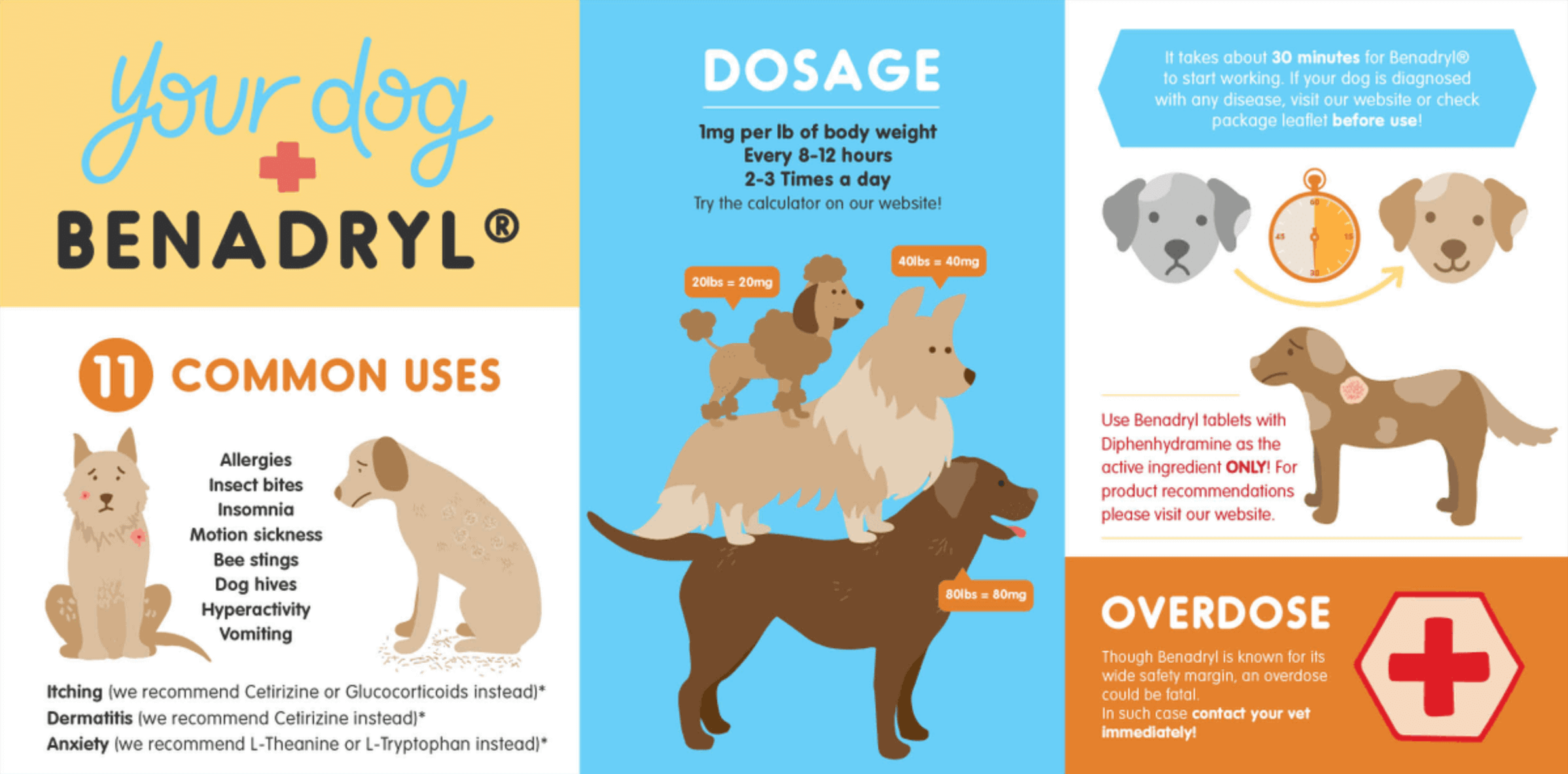
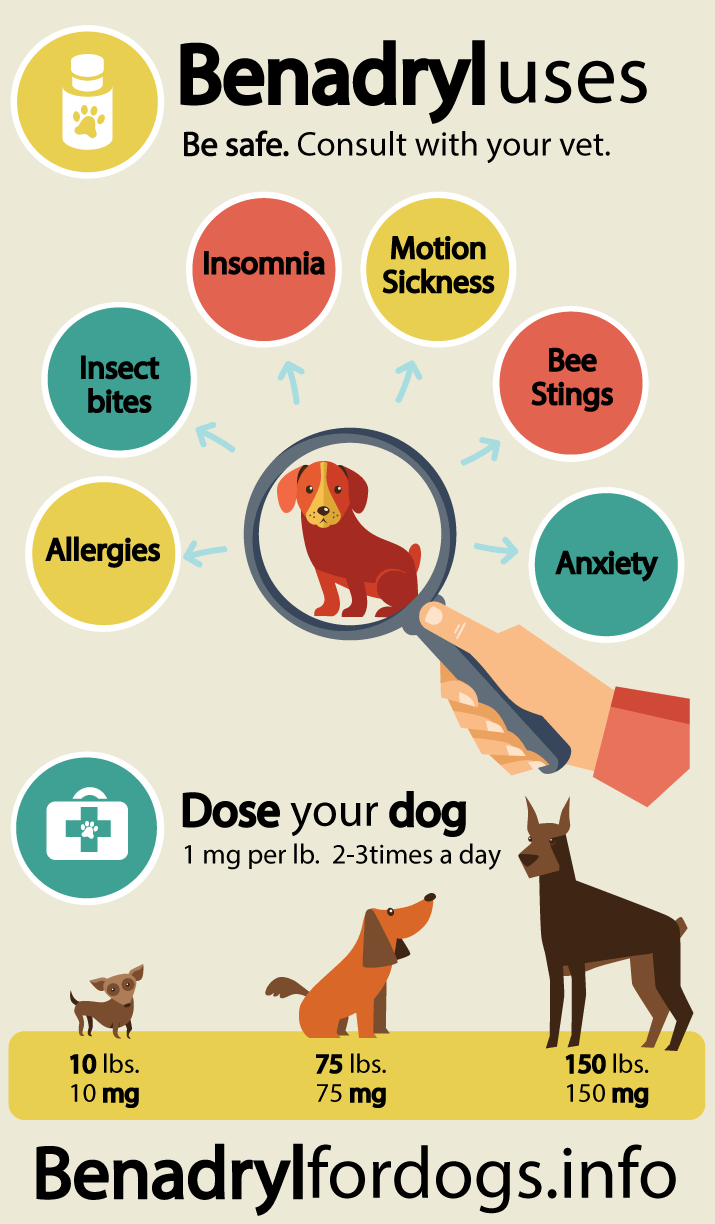
Determining the precise dog Benadryl dosage is critical, as exceeding the standard range of 1 to 2 mg per pound can lead to serious clinical complications . A Benadryl overdose in dogs is a distressing emergency that requires immediate veterinary intervention.

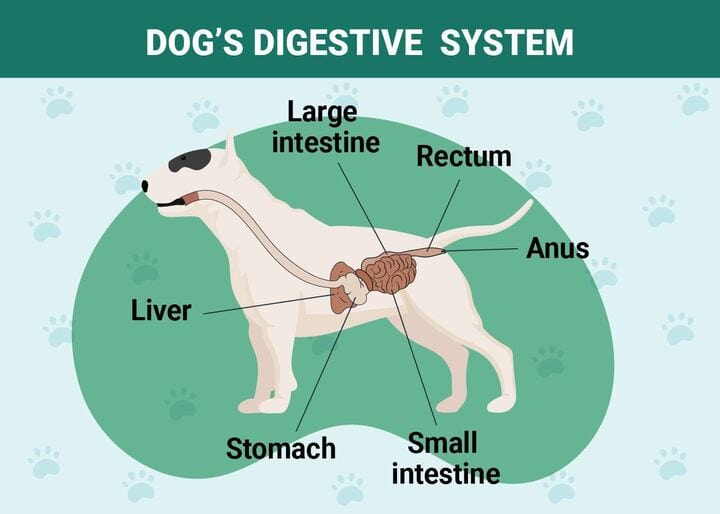
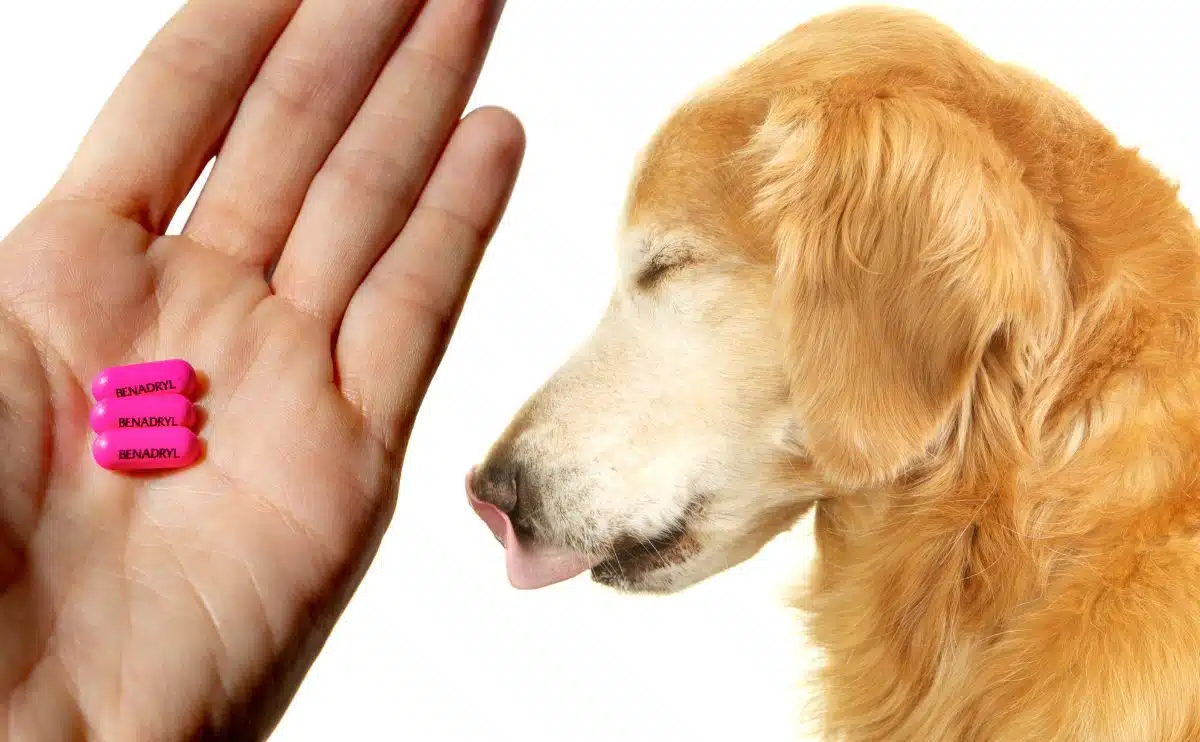
Furthermore, visual representations like the one above help us fully grasp the concept of Benadryl Canine Gastrointestinal Complications.
Can Benadryl hurt a dog's stomach

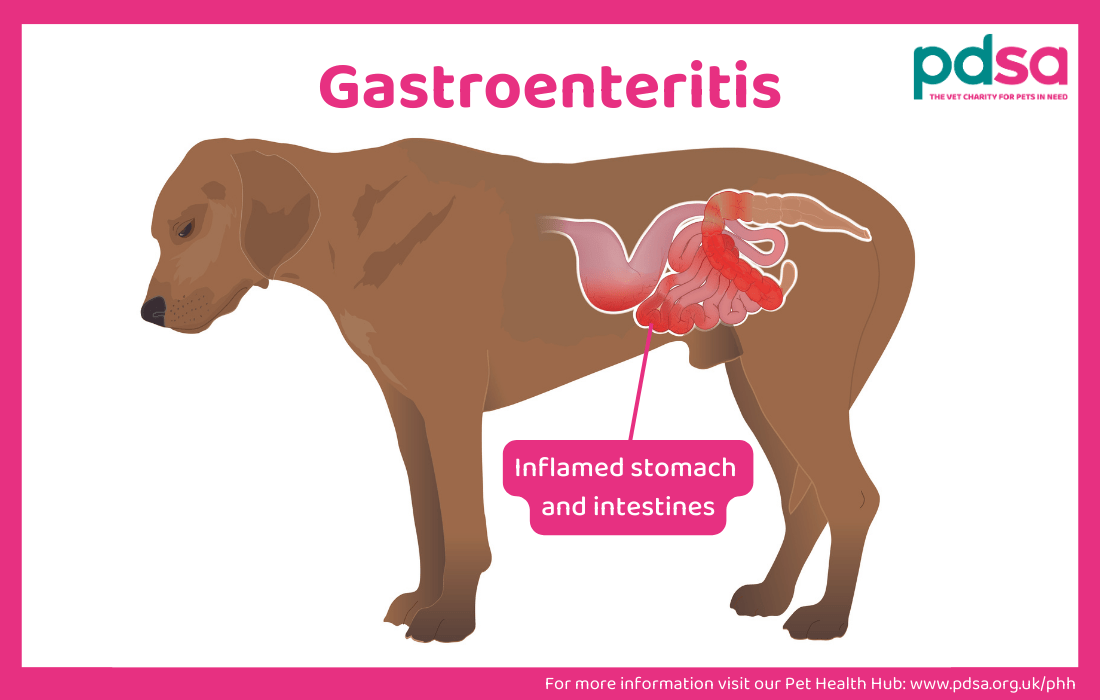
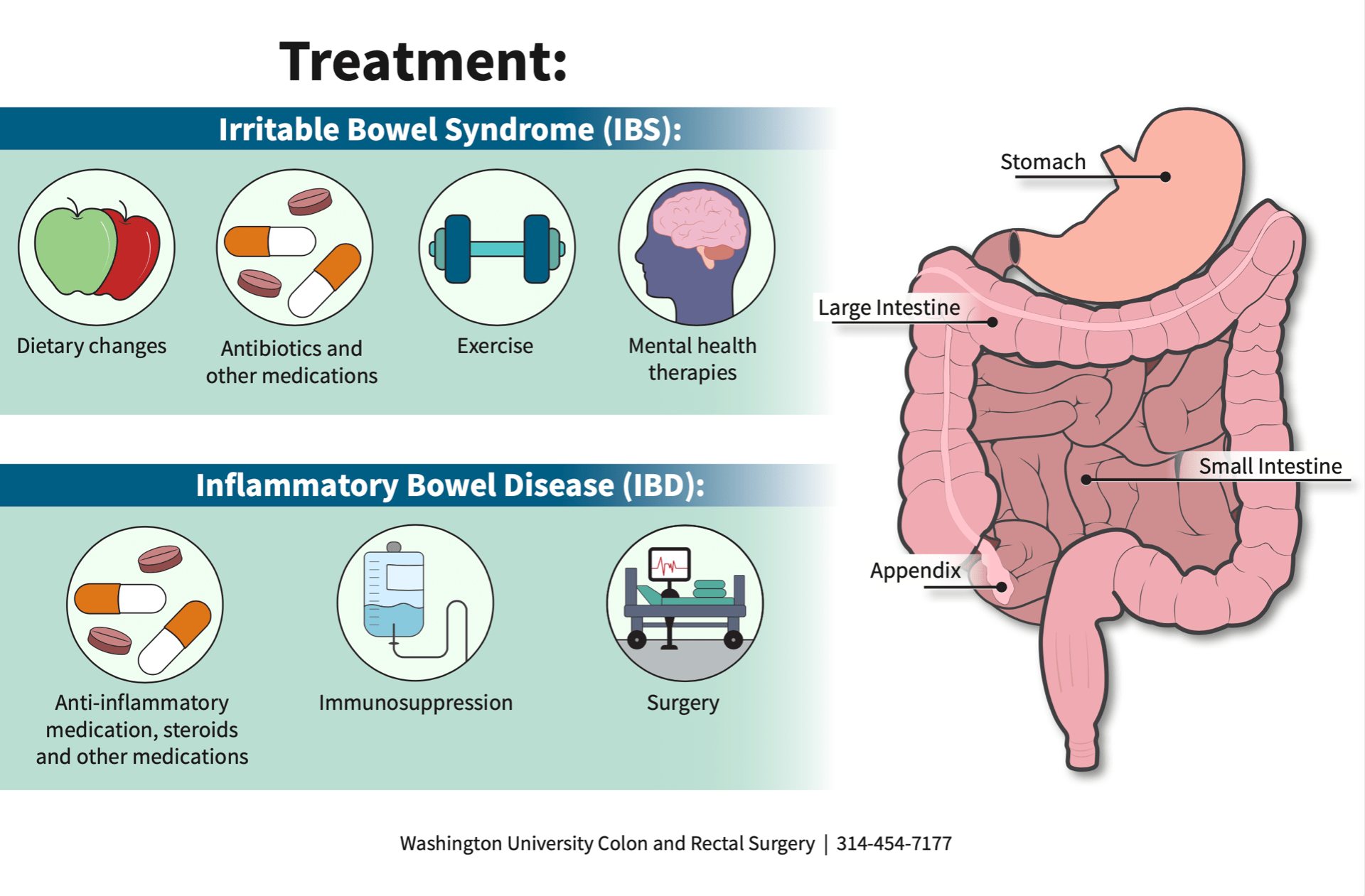
Furthermore, visual representations like the one above help us fully grasp the concept of Benadryl Canine Gastrointestinal Complications.
Yes, Benadryl can cause stomach upset in dogs, leading to symptoms like vomiting, diarrhea, and loss of appetite. While often used for allergies, it's crucial to consult a veterinarian before administering any medication to your pet. They can determine the correct dosage and ensure it's safe for your dog's specific health needs.

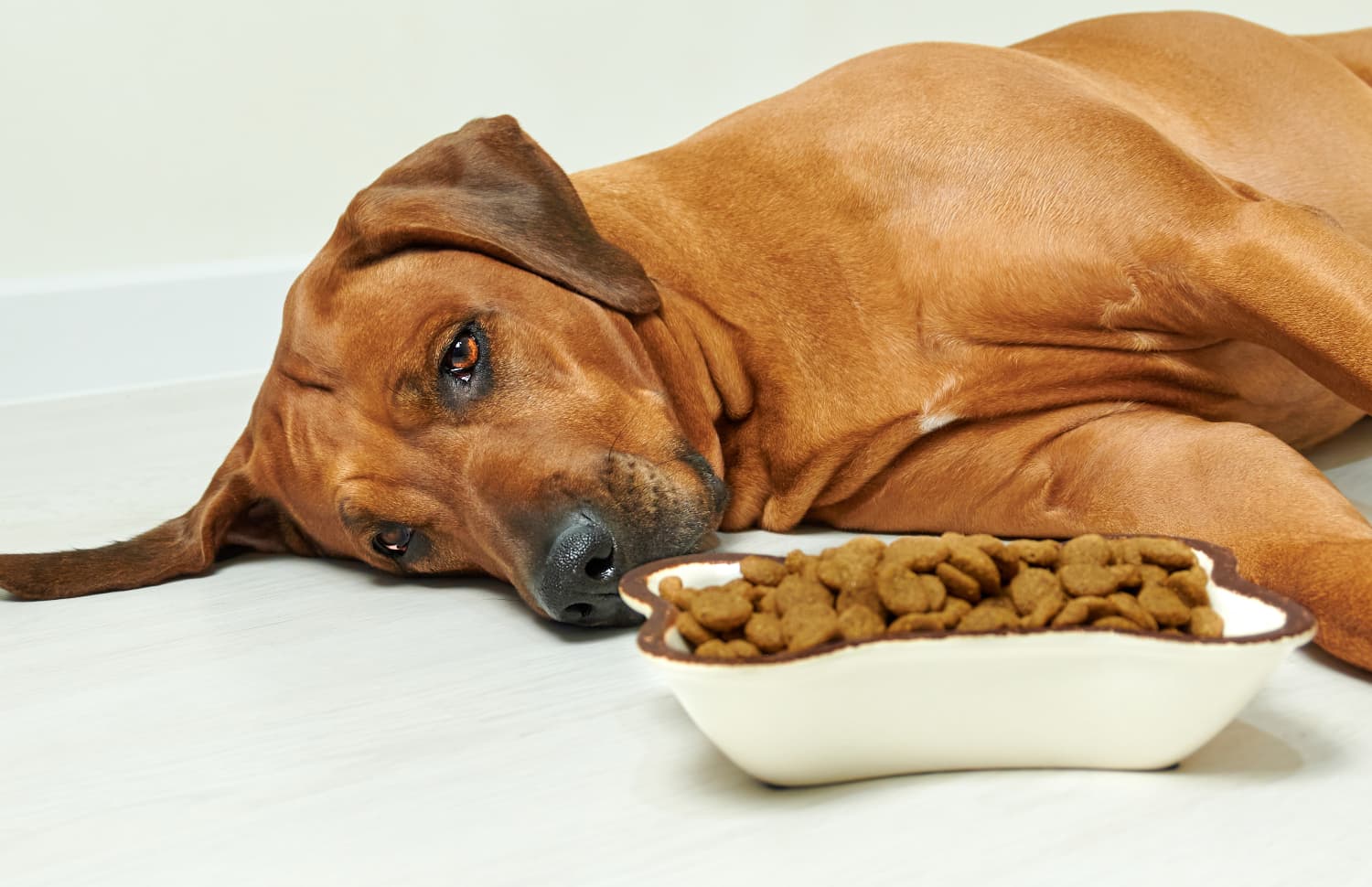
Moving forward, it's essential to keep these visual contexts in mind when discussing Benadryl Canine Gastrointestinal Complications.
In the event that your dog experiences diarrhea or any other side effects while taking Benadryl , it's crucial to seek veterinary attention promptly. Your veterinarian can provide guidance on managing your dog's symptoms, adjusting their medication, and ensuring the best possible outcome for your pet.
While Benadryl is generally considered safe for dogs when used correctly, it absolutely can make your dog sick in certain situations. There are several ways this can happen: