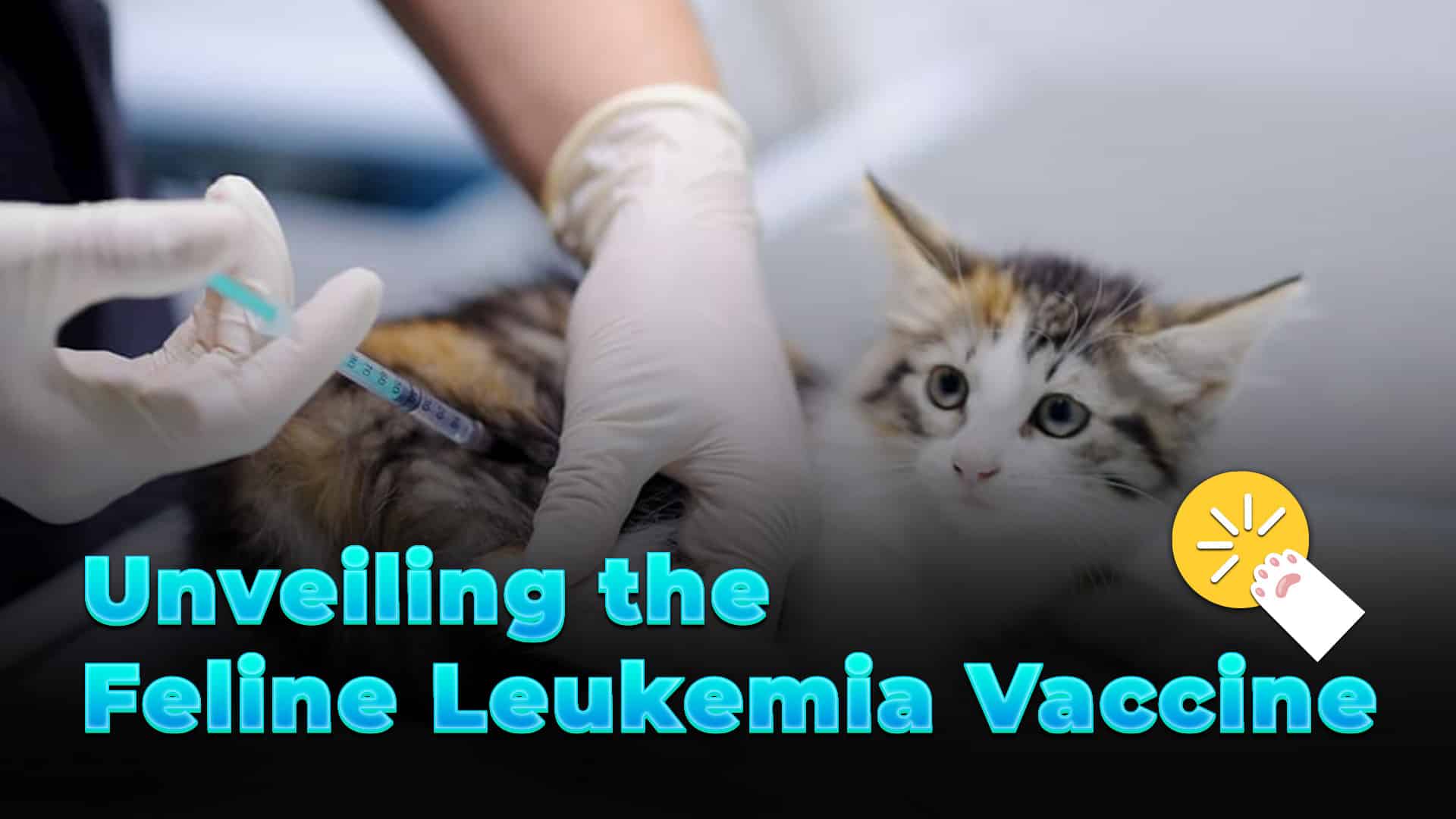
A Visual Journey and Ultimate Guide to Feline Leukemia Leading To Behavioral Changes
Feline Leukemia Signs and Symptoms to Watch in Your Cat
Learn the common signs, symptoms, and risk factors of feline leukemia virus (FeLV) in cats, including behavioral changes , physical signs, and transmission methods.
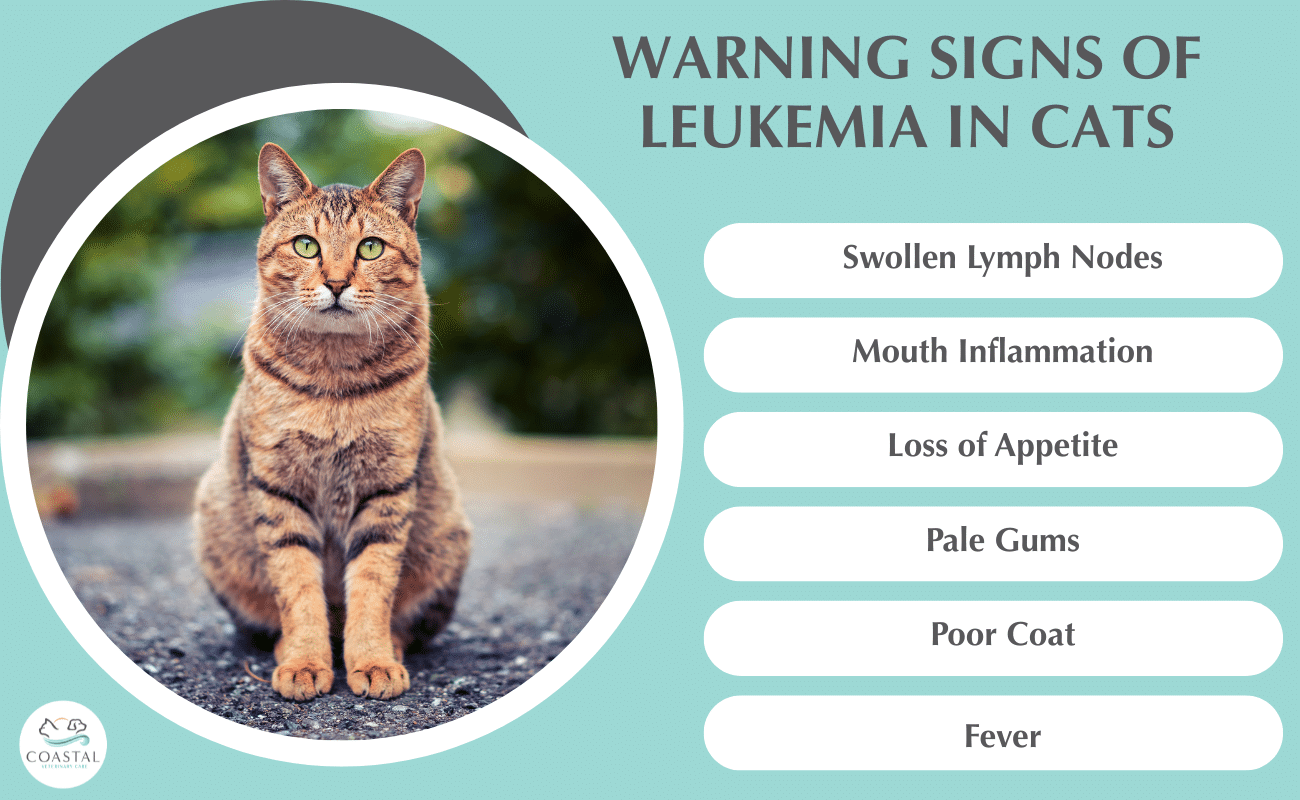
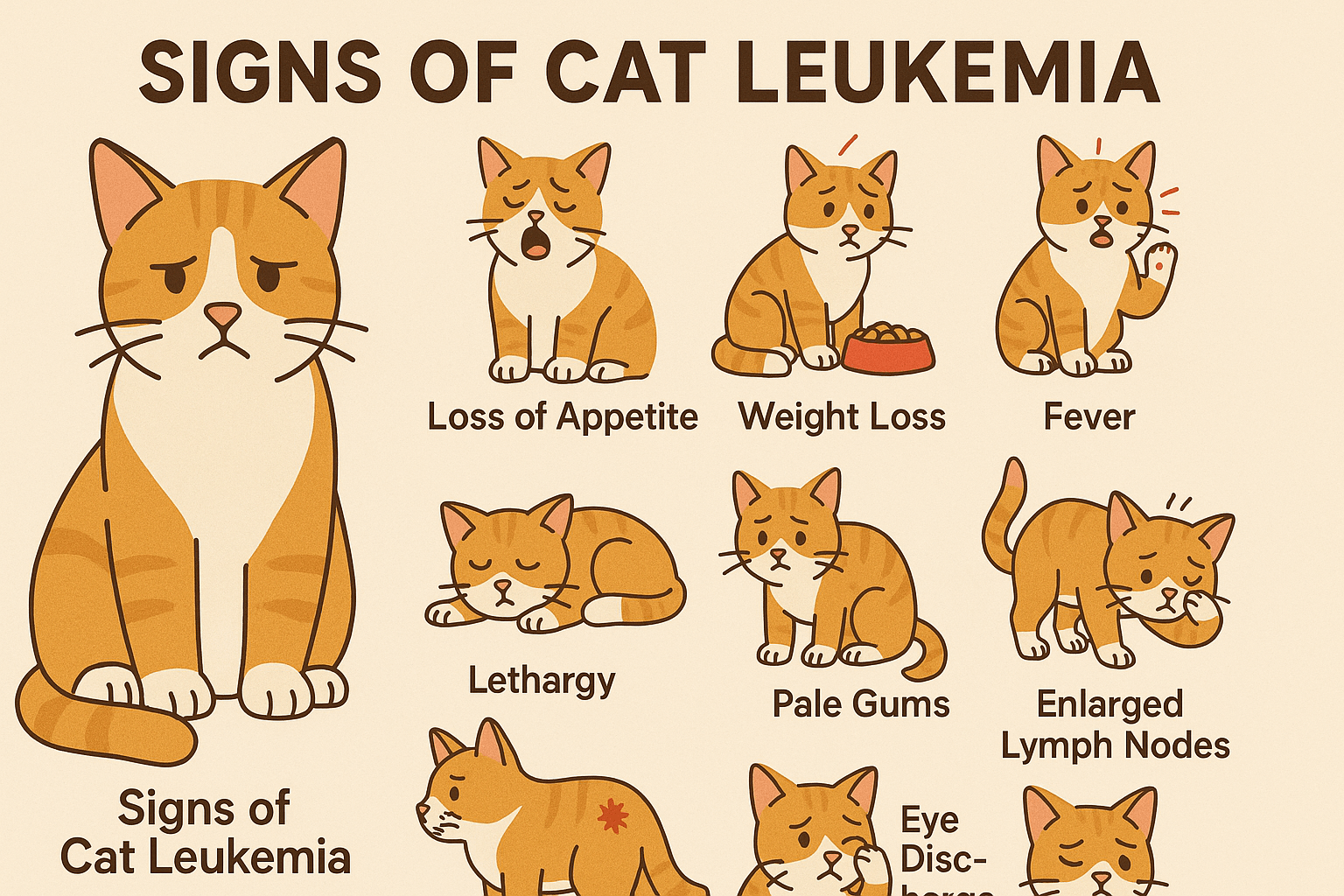
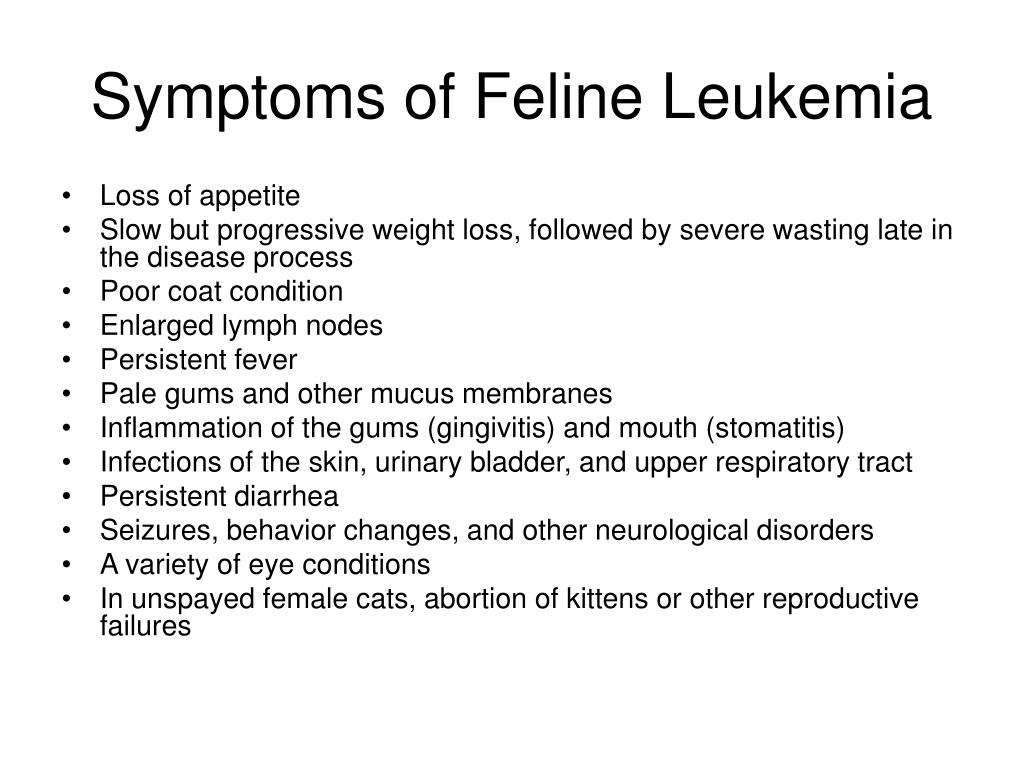
Feline leukemia affects each cat differently, and while some may experience a decrease in energy levels, others may not. It's important to watch for signs such as persistent lethargy, loss of appetite, or any other unusual behavior changes . Early detection and monitoring are key in managing the condition effectively.
Feline Leukemia Leading To Behavioral Changes
Feline Leukemia Virus
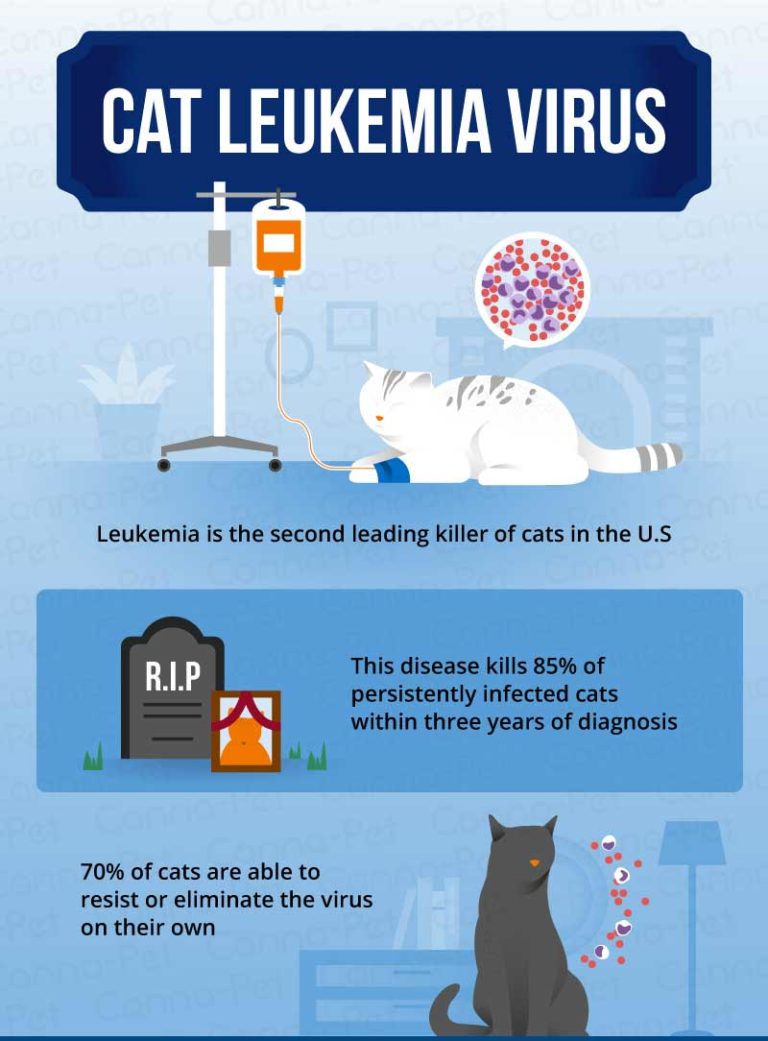
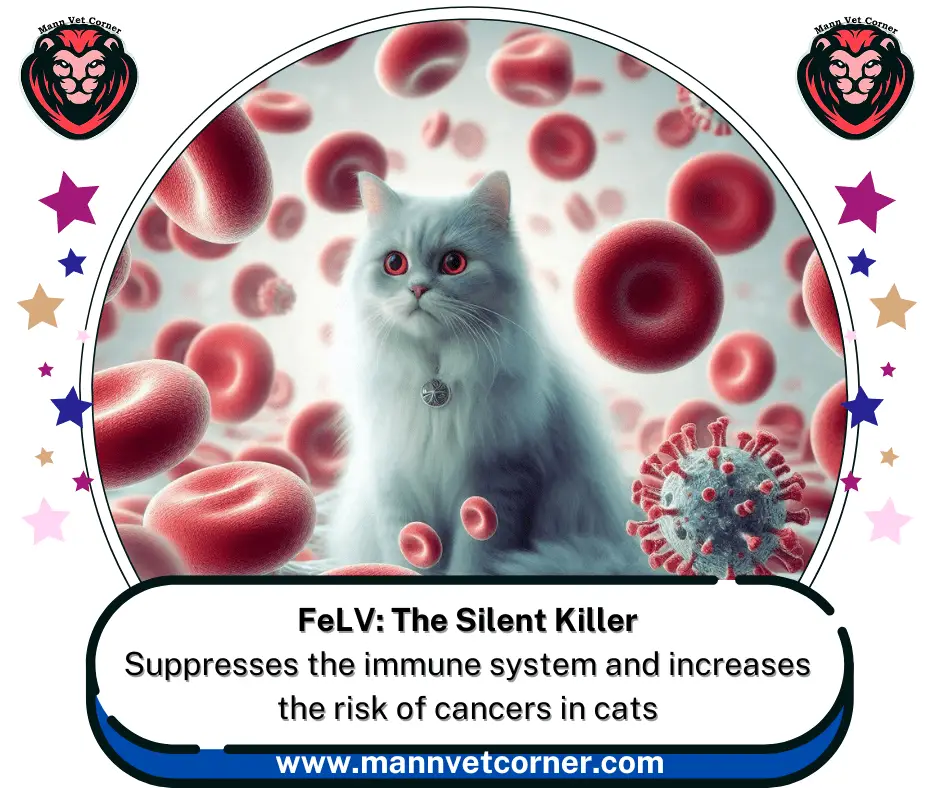
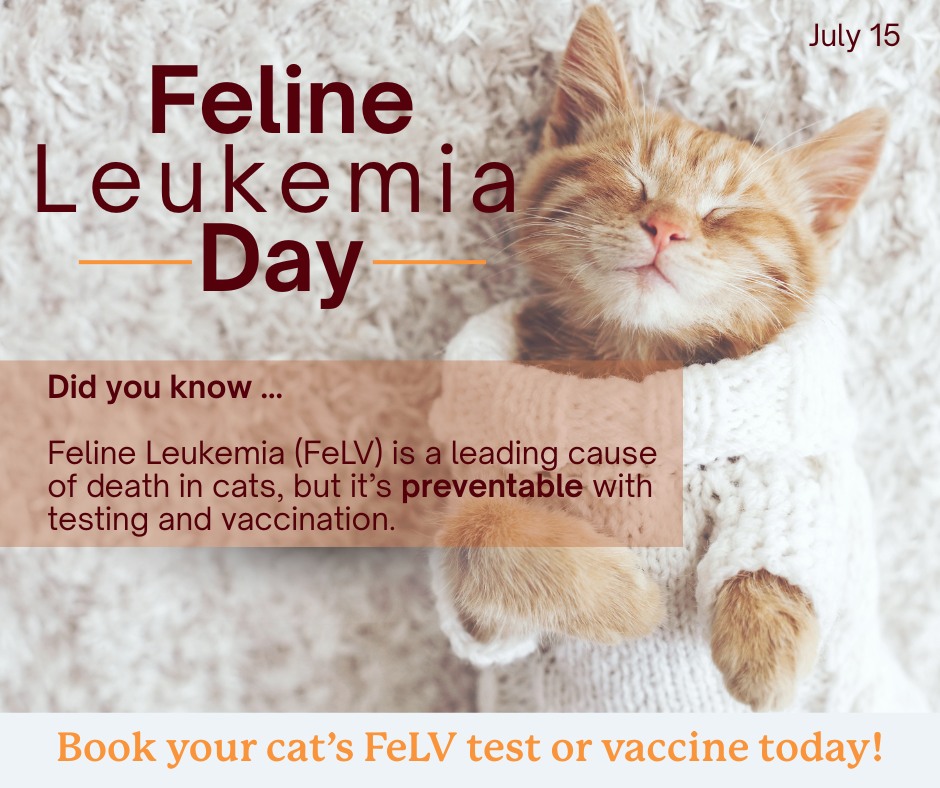
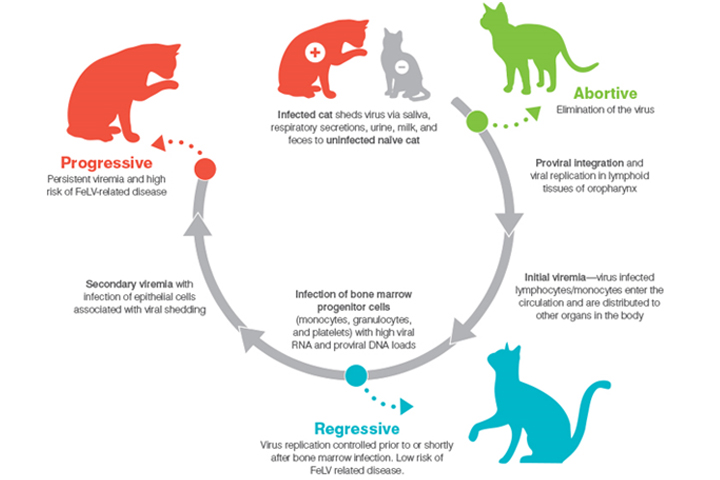
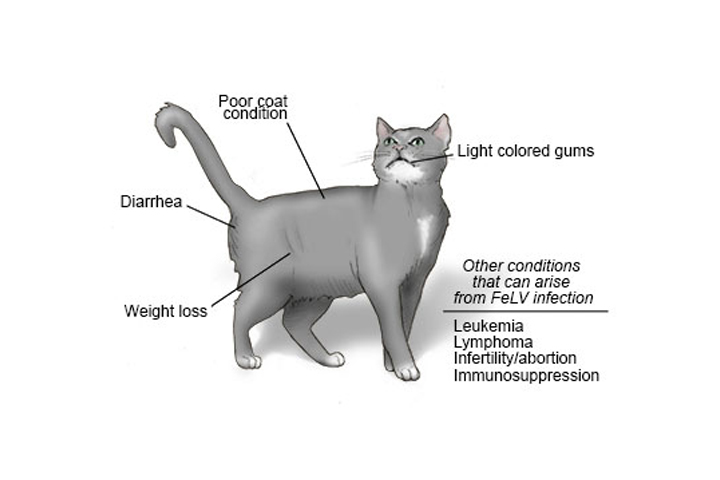
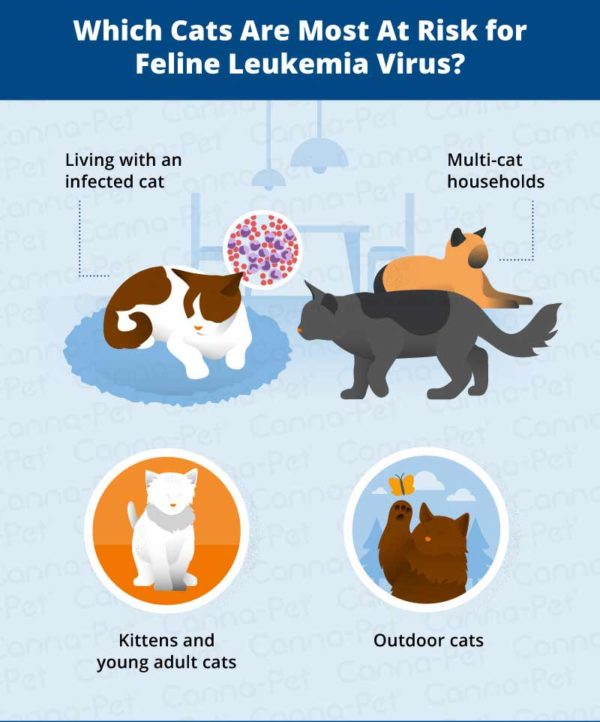
What Is Feline Leukemia Virus (FeLV)? Feline Leukemia Virus (FeLV) is a contagious retrovirus that weakens a cat's immune system and increases the risk of cancers, infections, and chronic illness. It's one of the leading causes of death among domestic cats, especially those who spend time outdoors or live in multi-cat households.
Feline Leukemia Leading To Behavioral Changes
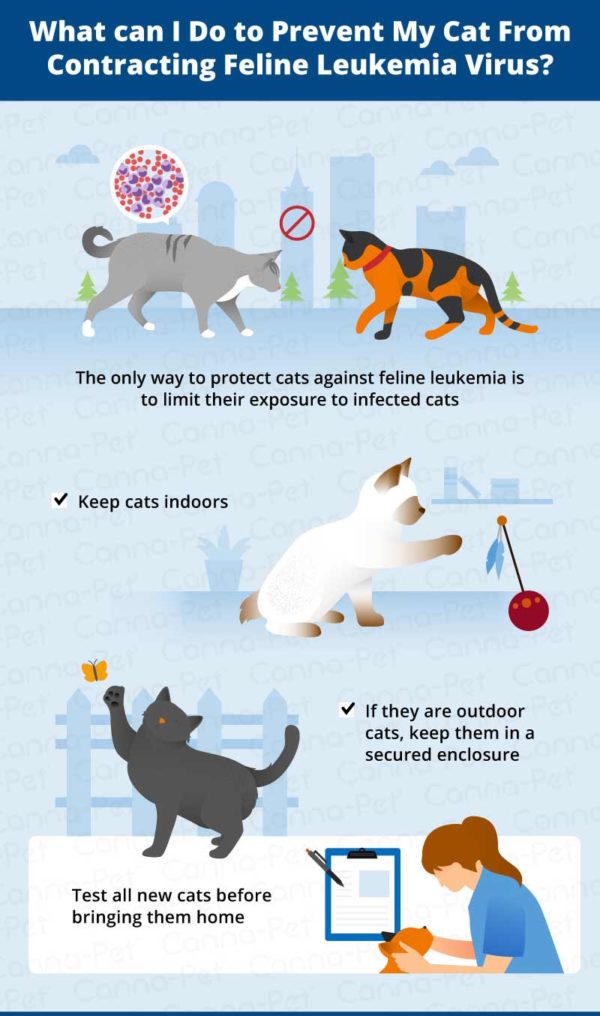
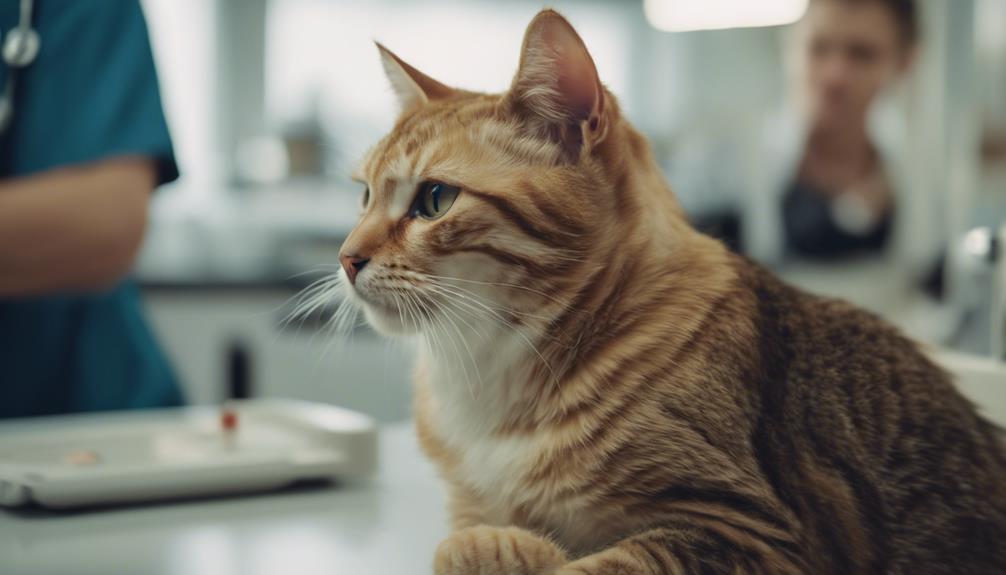
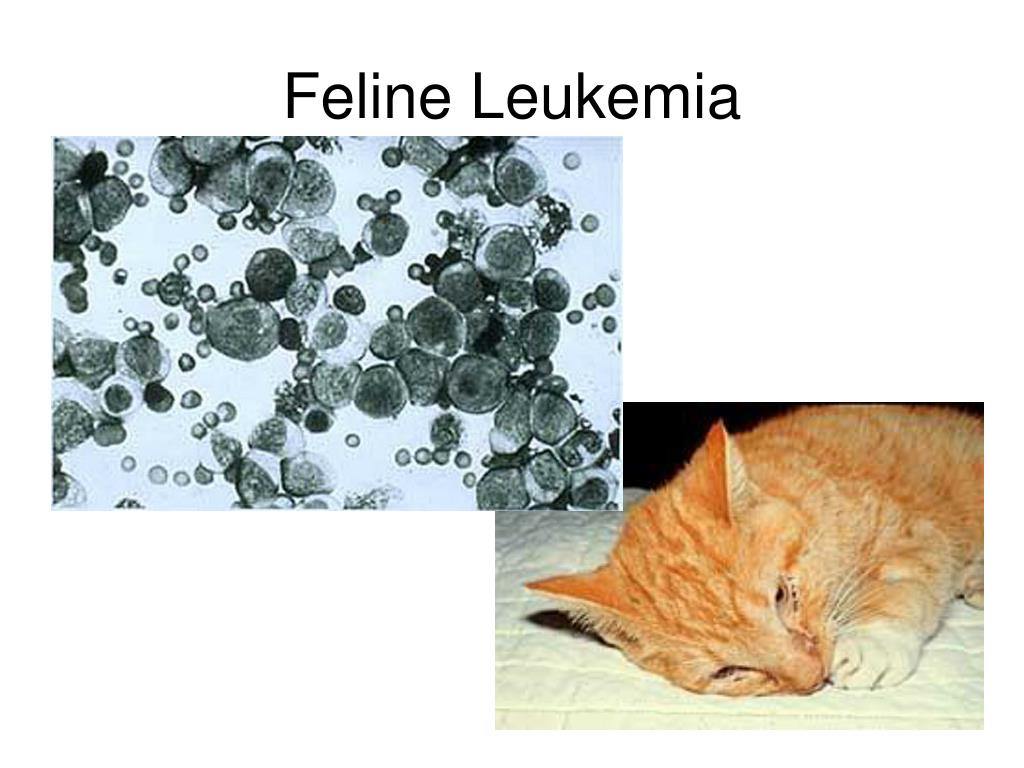
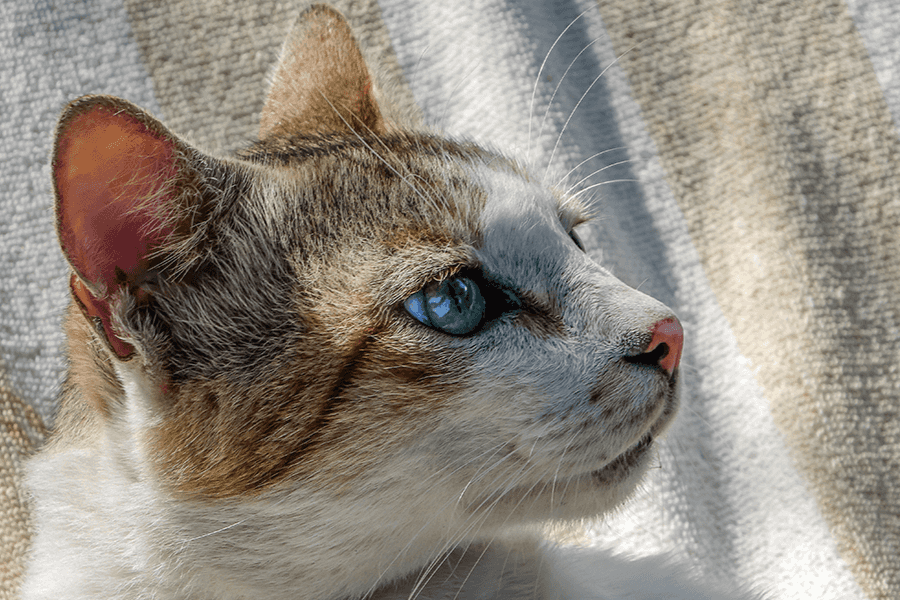
As we can see from the illustration, Feline Leukemia Leading To Behavioral Changes has many fascinating aspects to explore.
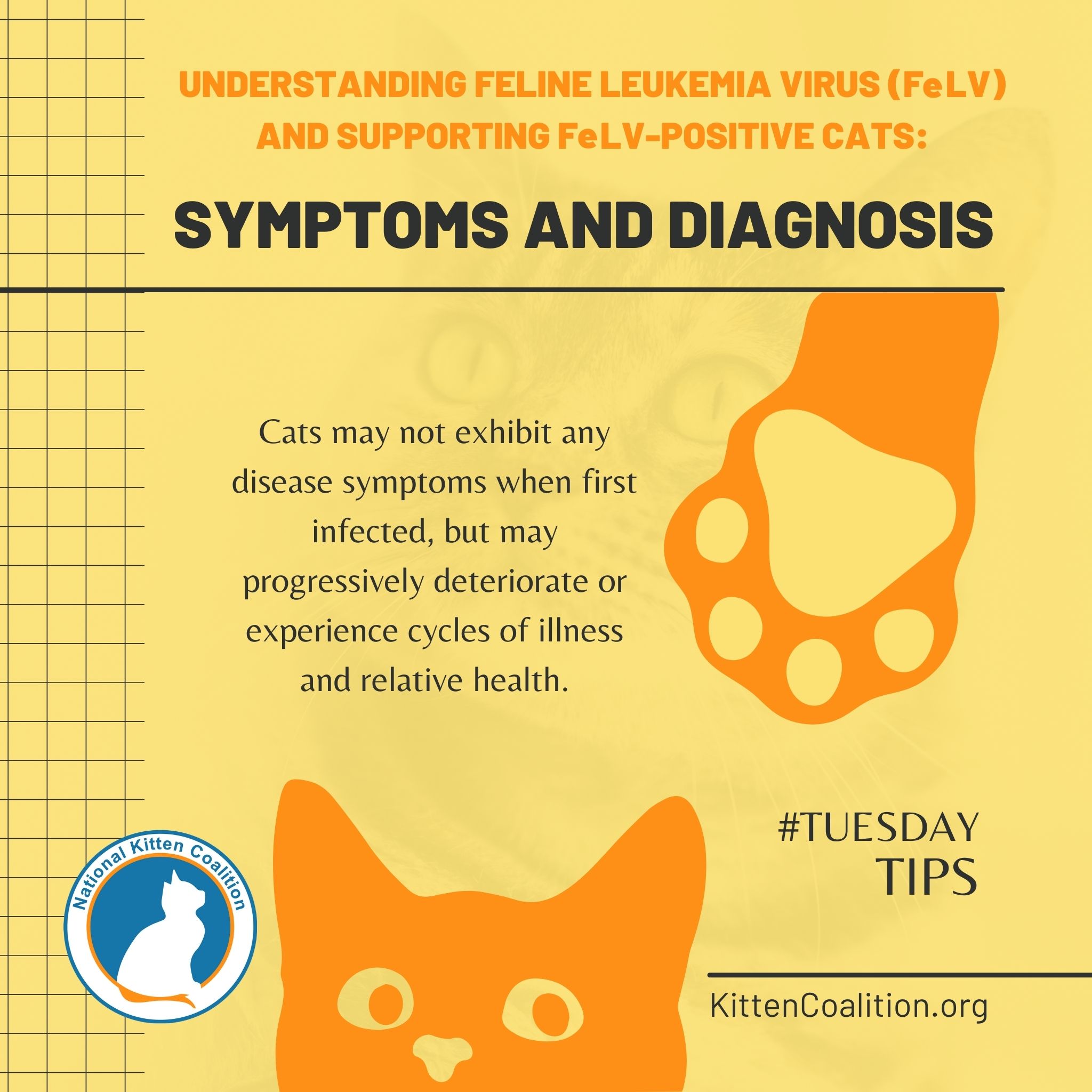
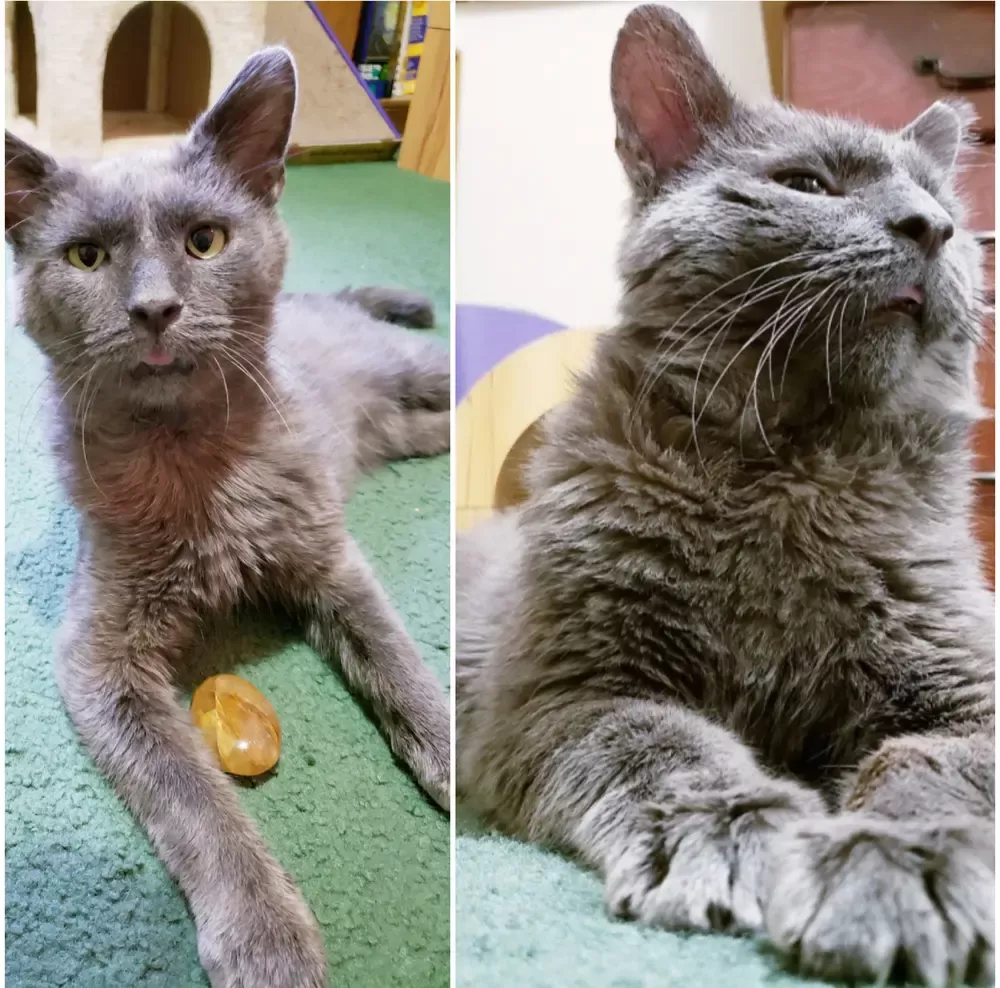
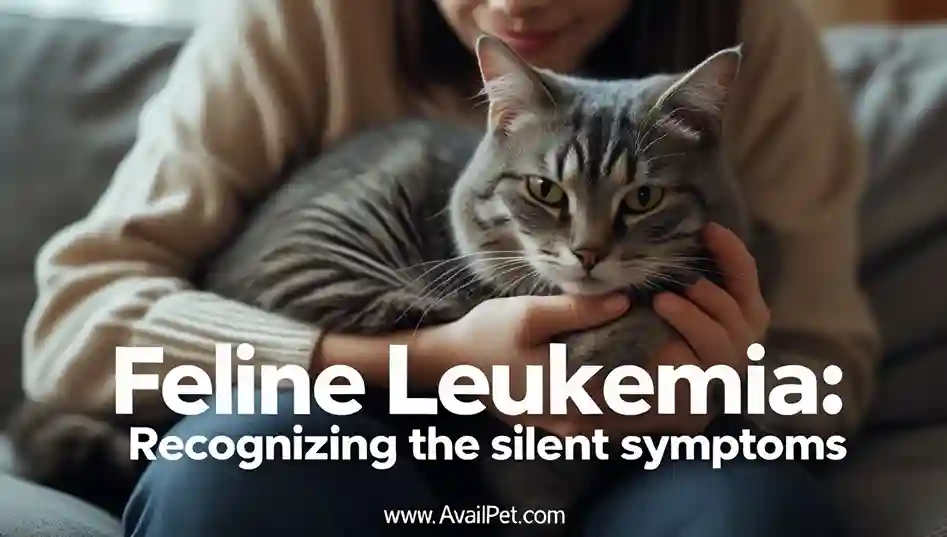
A cat with feline leukemiamay exhibit outwardly normal behavior, especially in the early stages, but the disease's progression often leads to noticeable deviations from their typical routine. This means that while some cats may initially appear healthy, the underlying infection will likely impact their behavior and overall well-being over time.