Leukemia Research Reactivates Silenced Gene in Mice
Conventional DNA sequencing techniques primarily detect mutations within the genetic code but fall short of revealing such epigenetic silencing. Consequently, much of the complexity behind gene regulation in cancers remains obscured, presenting a significant obstacle in the development of targeted therapies .

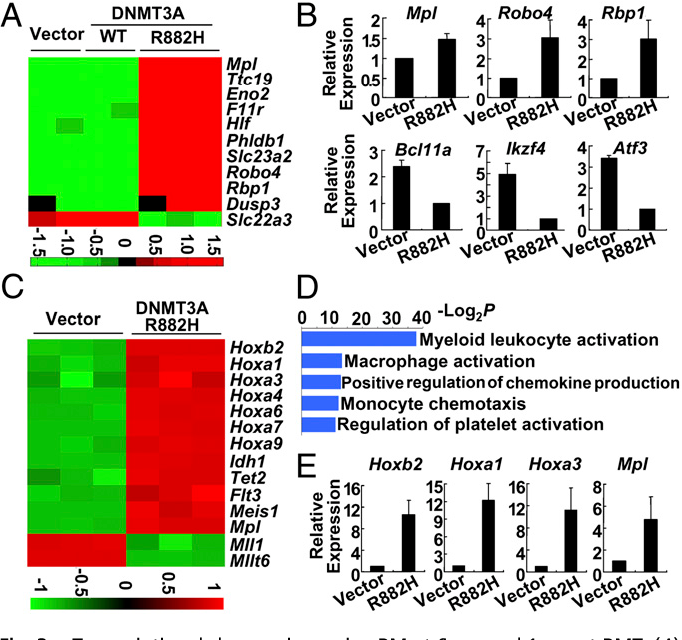
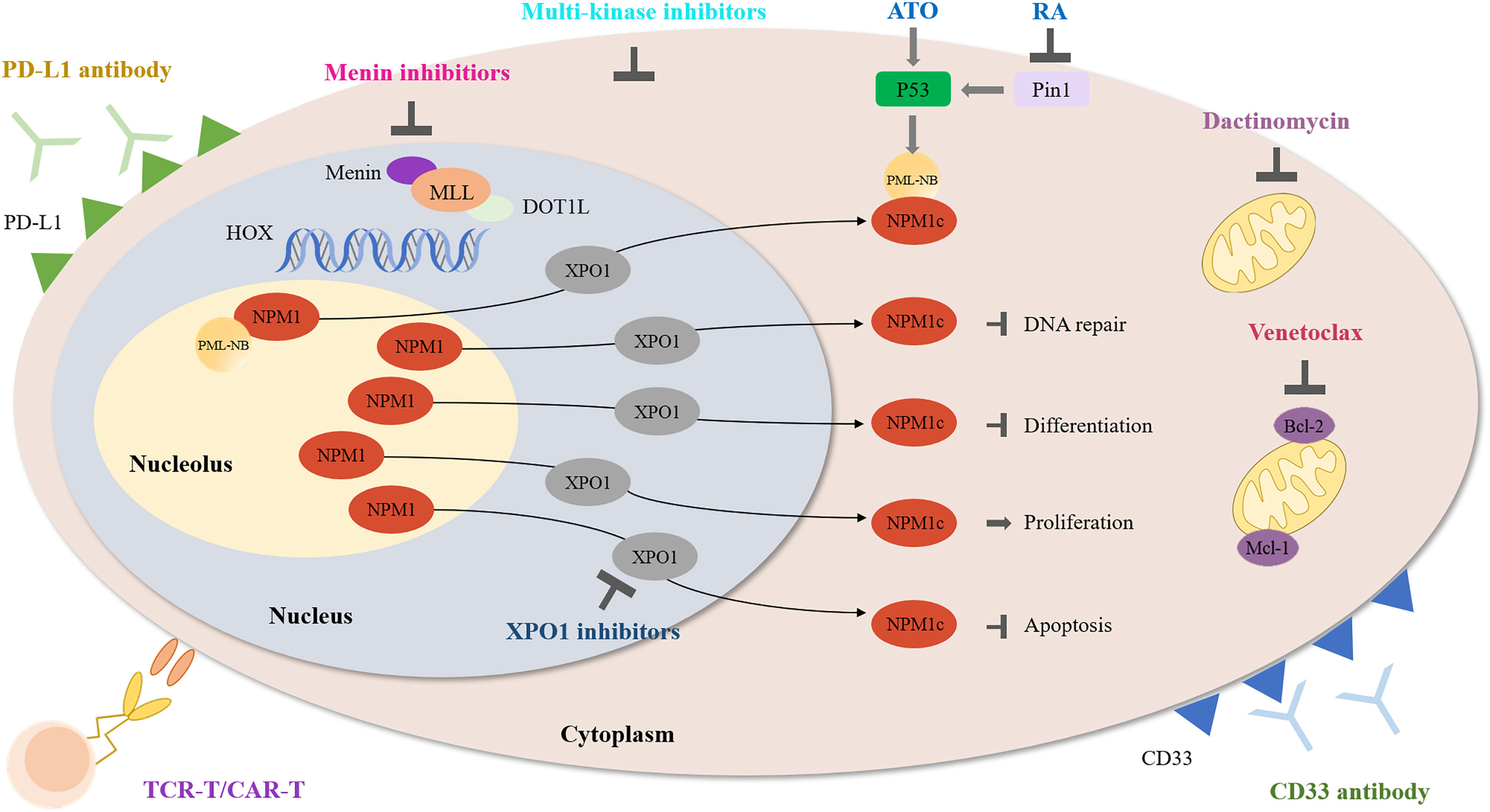
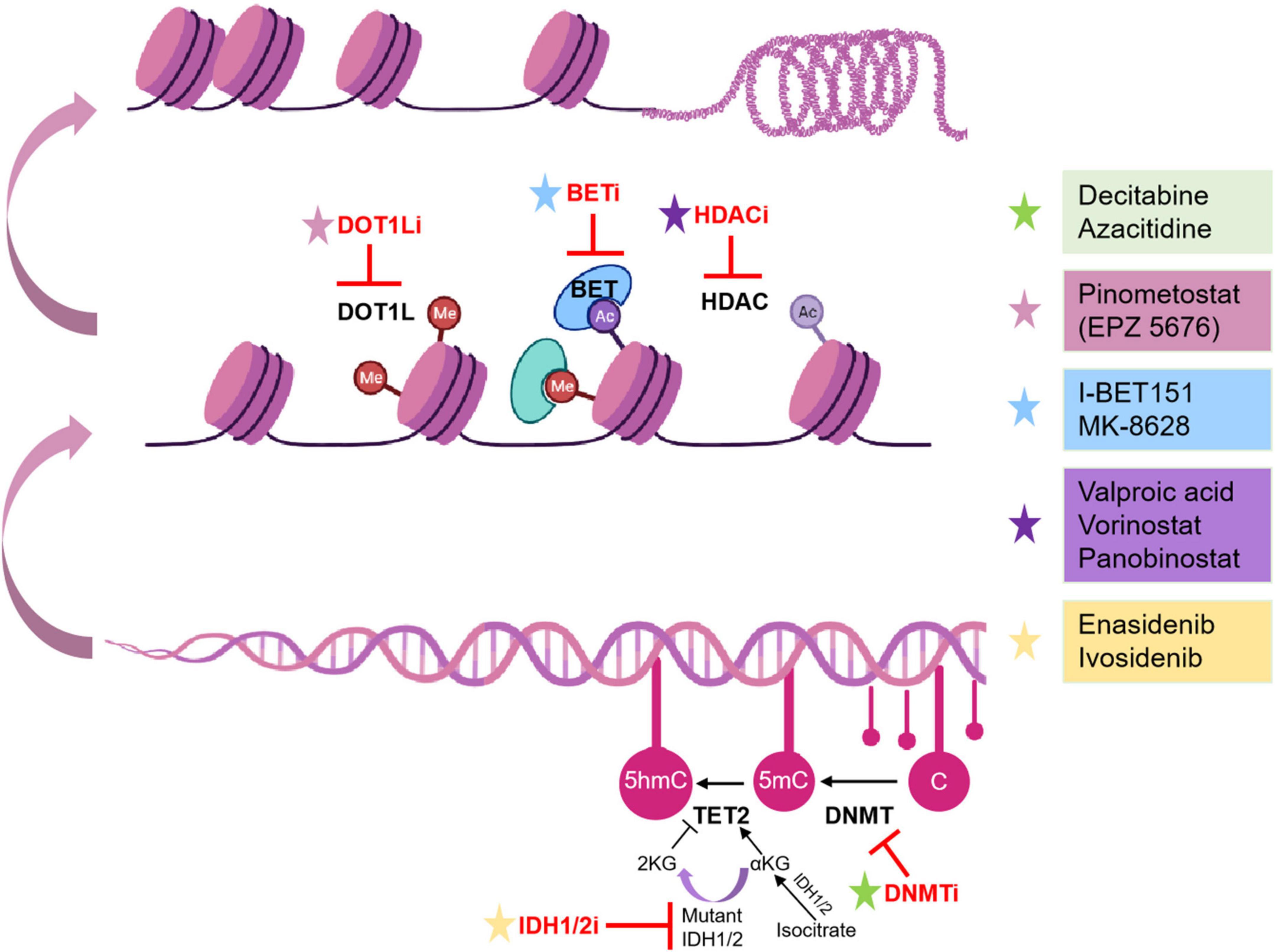
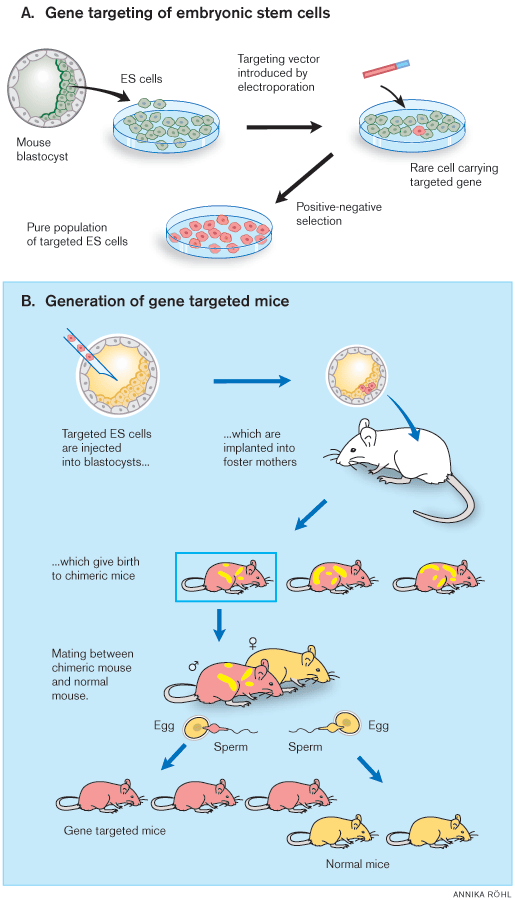
Furthermore, visual representations like the one above help us fully grasp the concept of Gene Expression In Leukemia In Mice With Targeted Therapies.
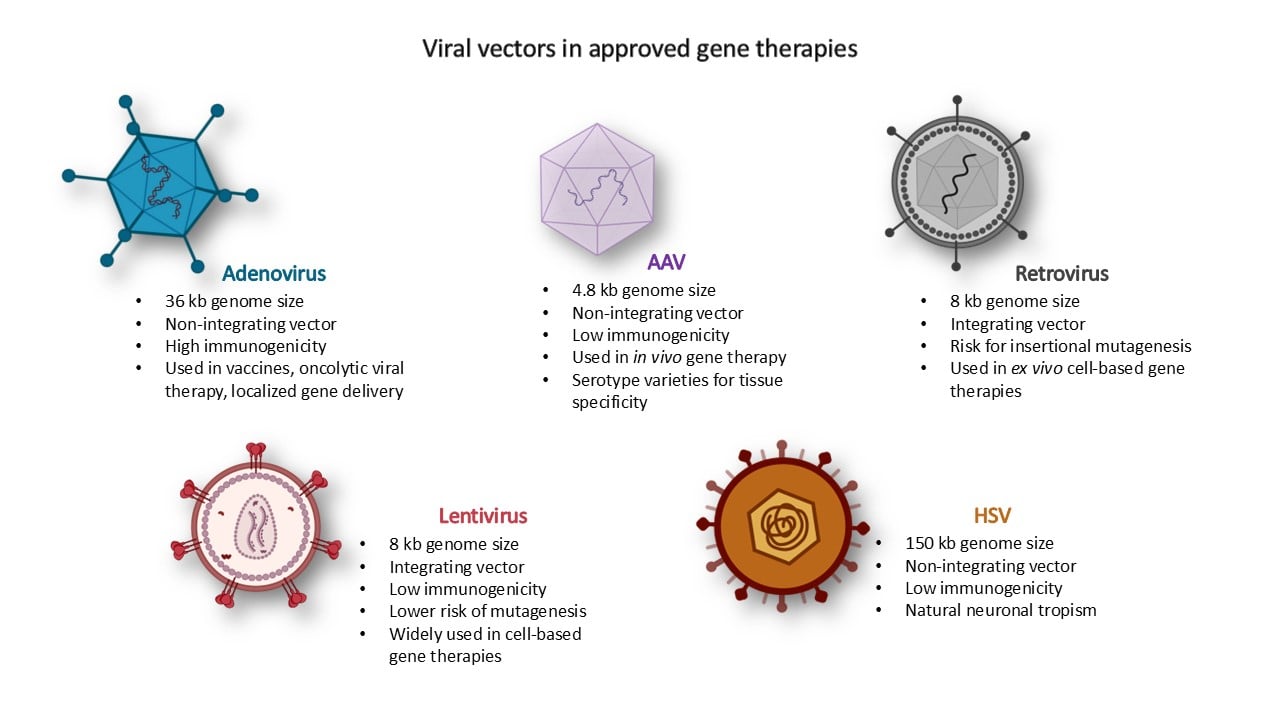
By integrating these sophisticated molecular insights with the growing armamentarium of targeted , epigenetic, and gene therapies , the medical community aims to improve response durability, reduce treatment-related toxicity, and ultimately enhance the long-term survival and quality of life for patients with AML.
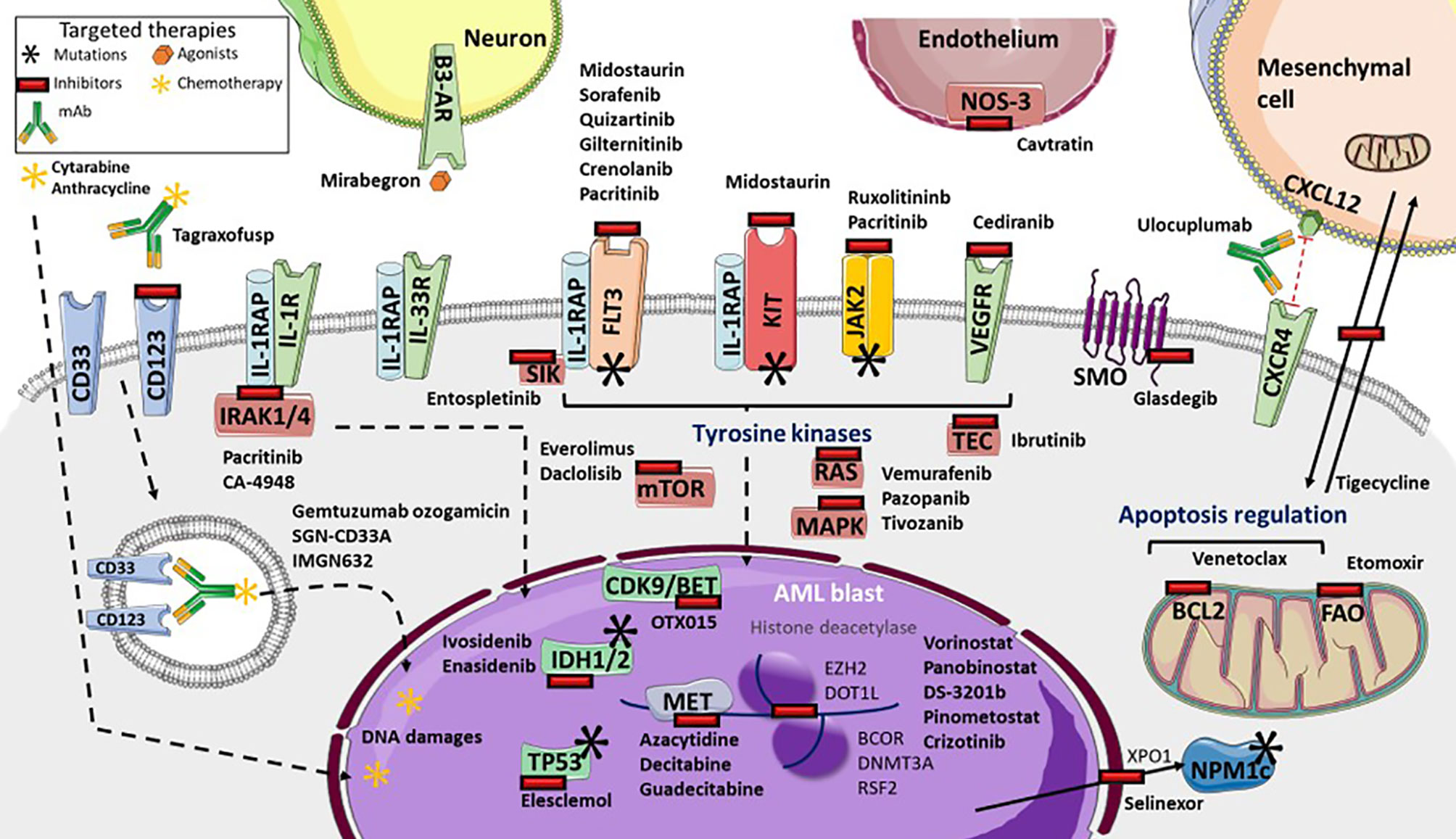
Targeted Therapy in Acute Myeloid Leukemia

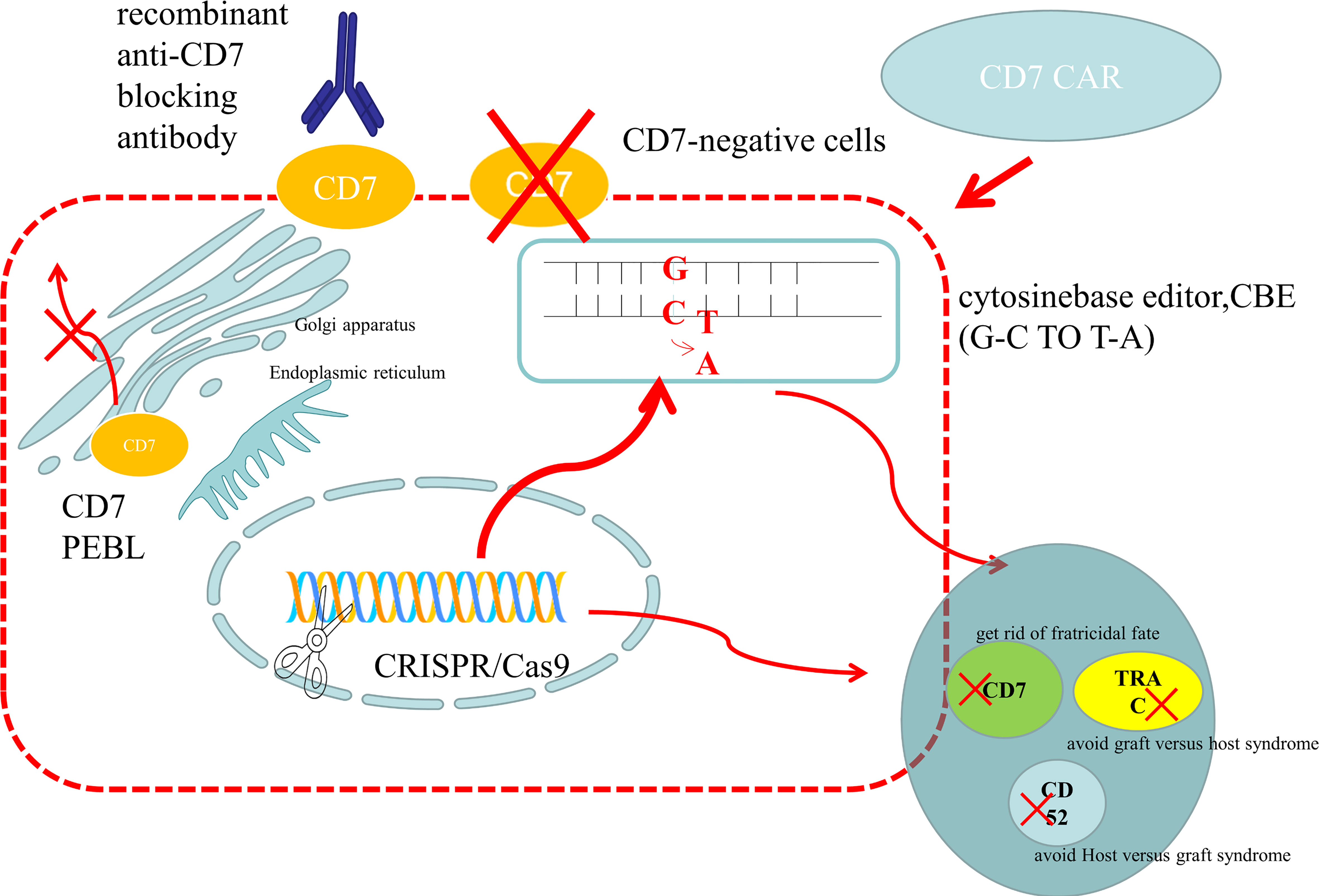
This particular example perfectly highlights why Gene Expression In Leukemia In Mice With Targeted Therapies is so captivating.
Acute myeloid leukemia (AML) is a molecularly heterogeneous neoplasm of hematopoietic stem and progenitor cells. The advent of high-resolution genomic sequencing has uncovered several genetic drivers of AML which spurred a surge of therapies that target the disease at a mutational, clonal, or epigenetic level. Currently, the molecular profiling of AML patients before treatment is commonplace ...
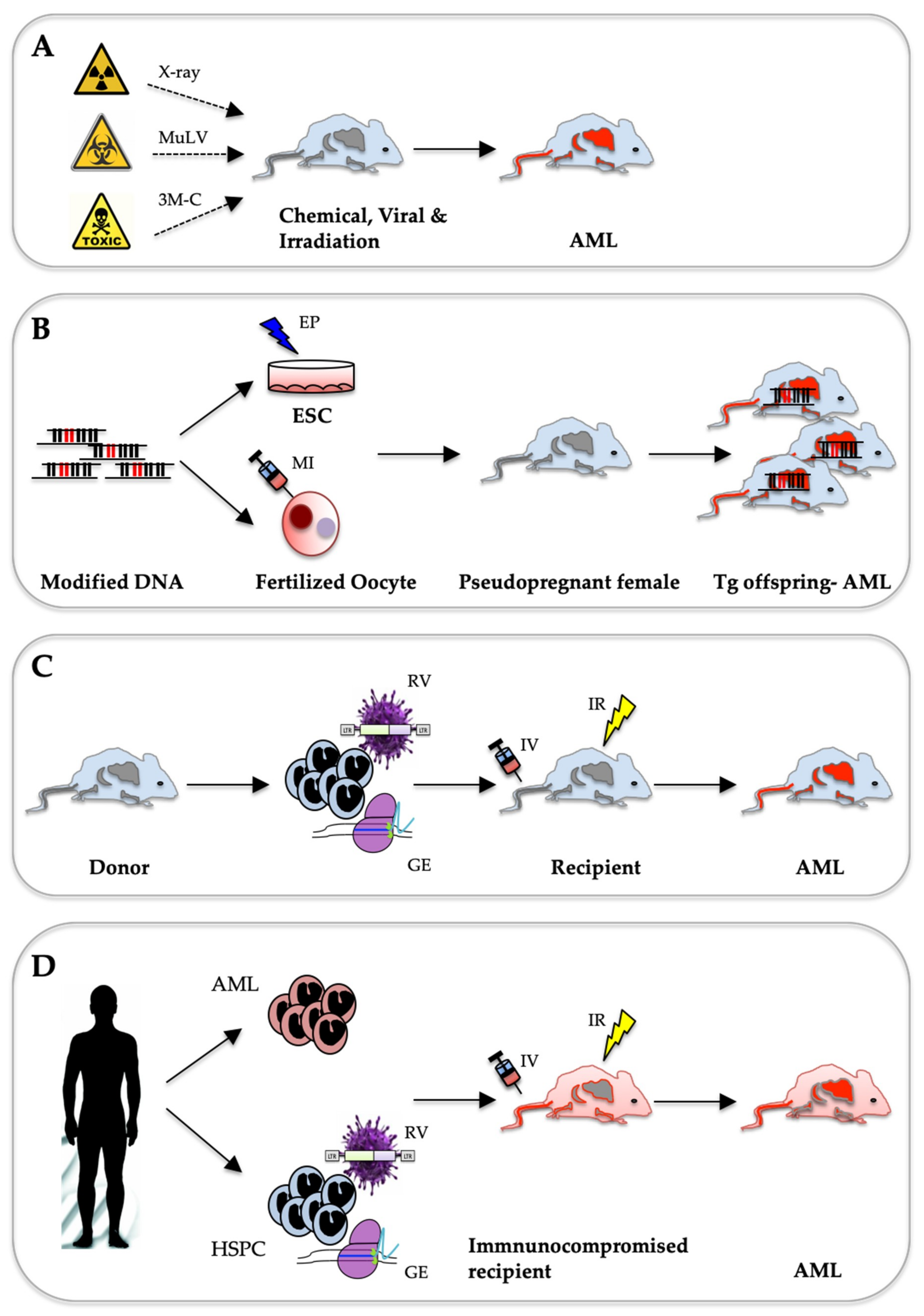
Molecular mechanisms of leukemia stem-cell development and therapy resistance have been investigated in genetically-engineered leukemias in mice 8 - 11, but there remains uncertainty about their relevance to human AML.
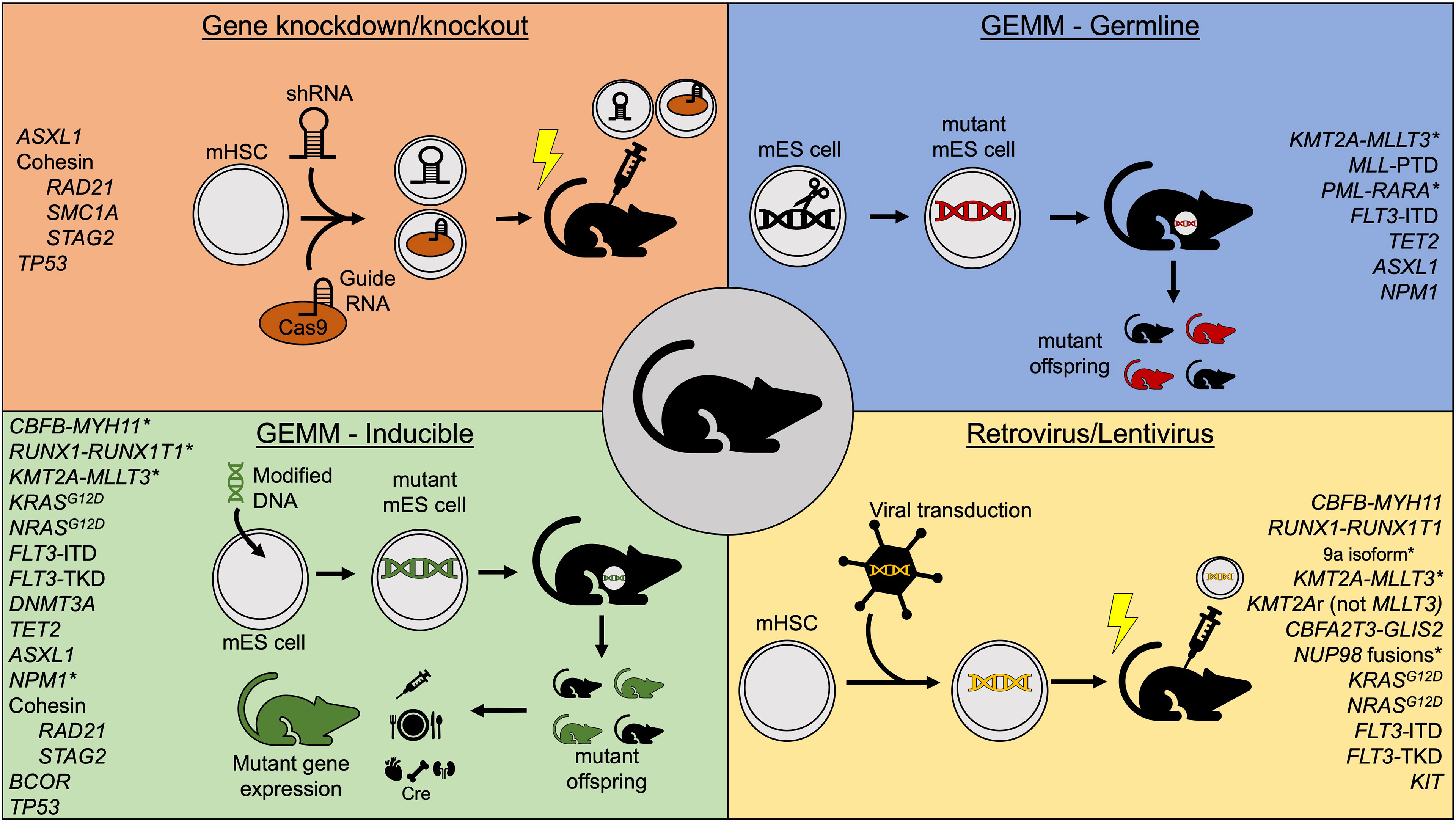
Animal models play a crucial role in studying the development of AML, providing valuable tools for researchers to understand the mechanisms of the disease, discover new targets, and evaluate potential therapies . Genetically engineered AML animal models can be classified into mice , zebrafish, rhesus monkeys, and Drosophila based on their species.