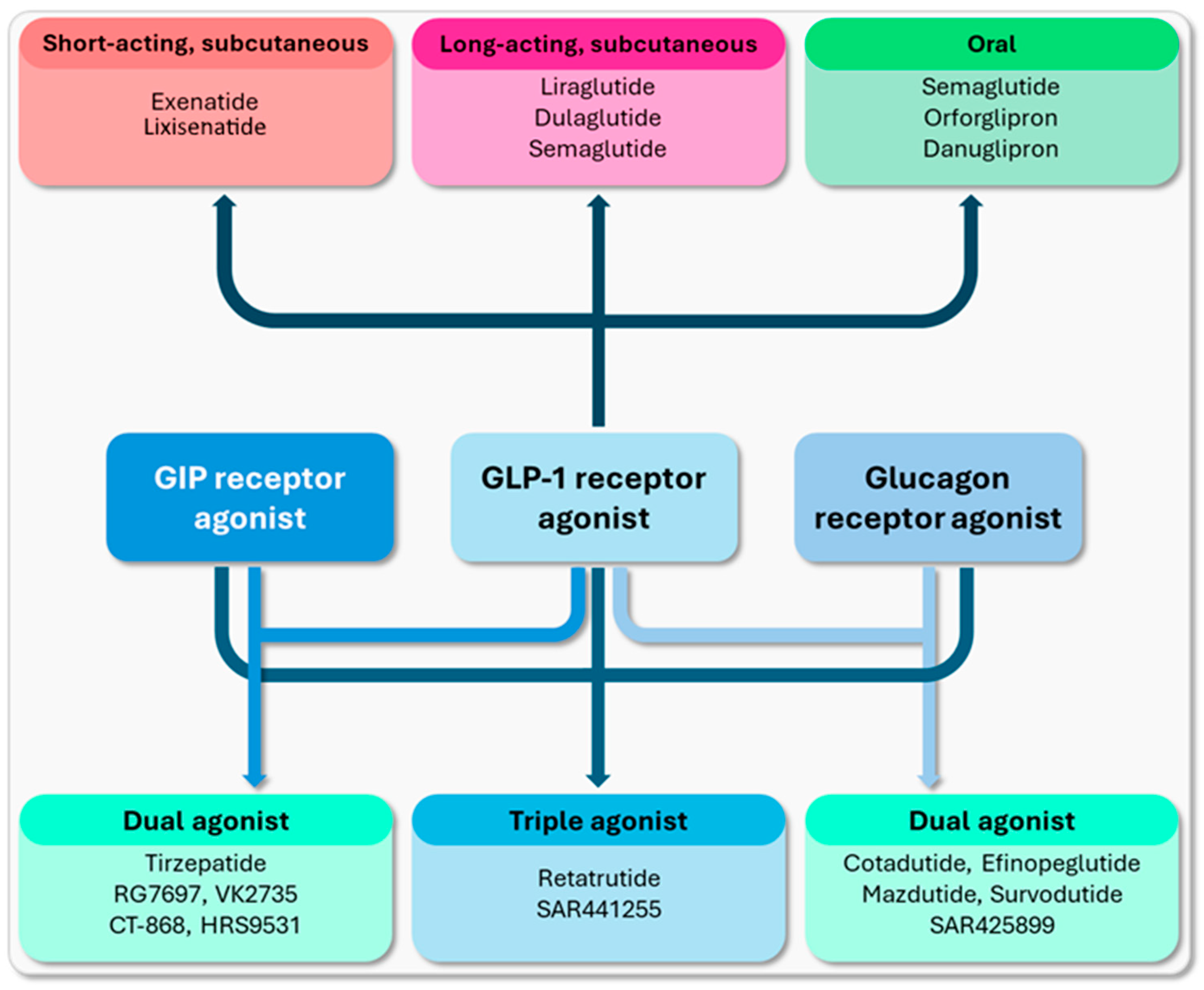
A Complete Visual Reference for Glp 1 Receptor Agonists And Fatigue
How to manage fatigue in patients taking Glucagon
Managing Fatigue in Patients Taking GLP-1 Receptor Agonists Fatigue in patients taking GLP-1 receptor agonists should be managed by first ruling out serious complications, then addressing the most common underlying mechanisms including delayed gastric emptying, dehydration, and electrolyte imbalances.
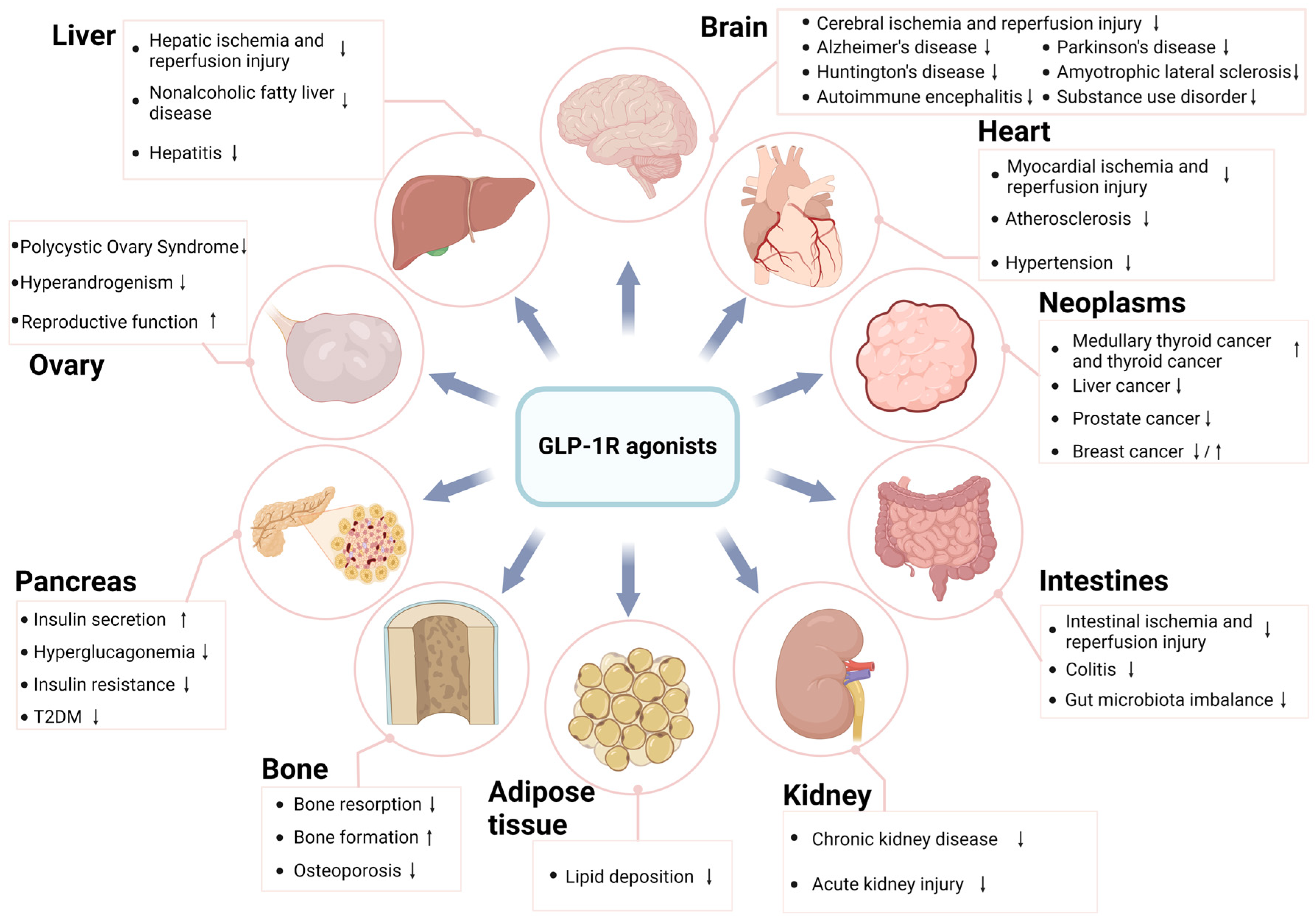
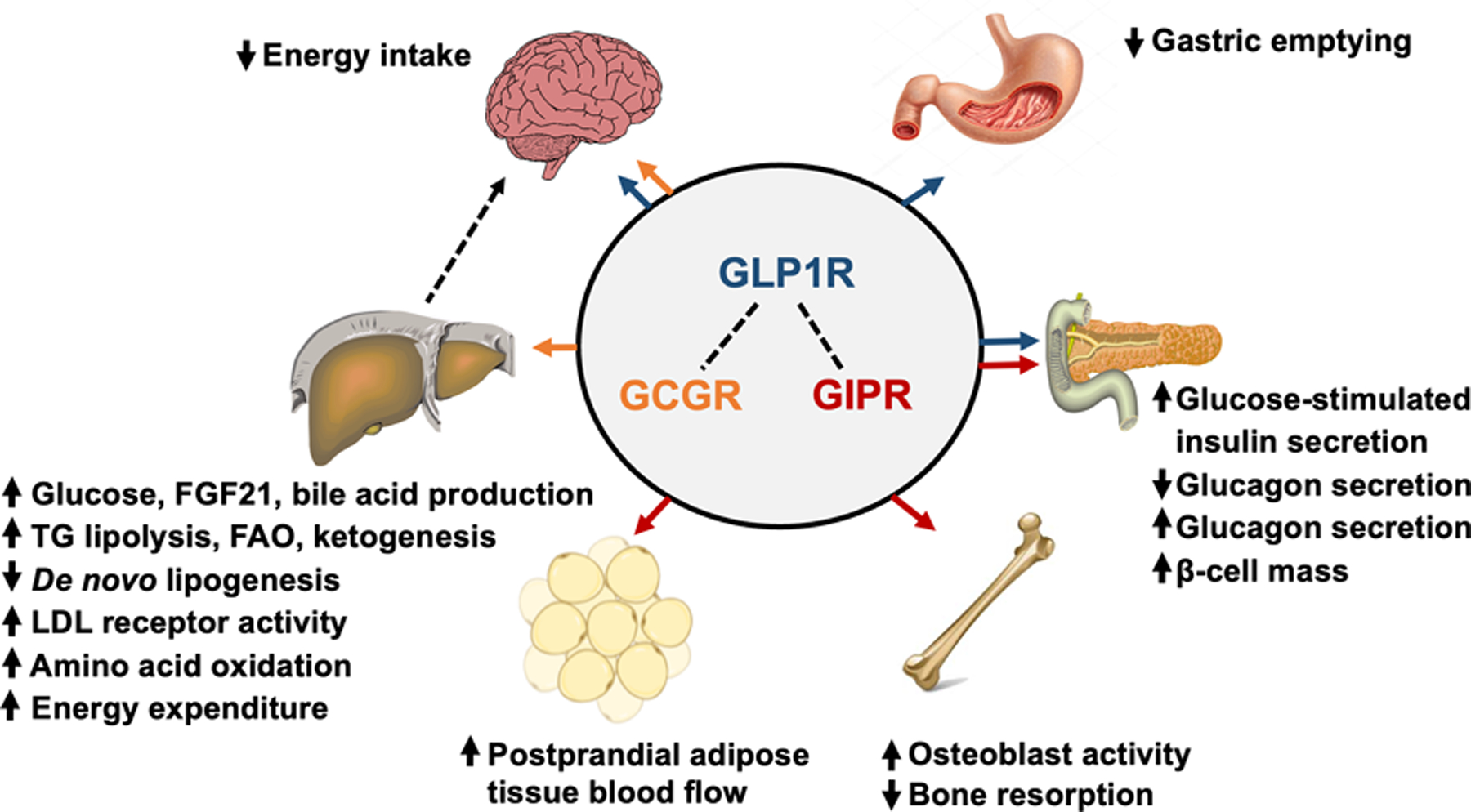
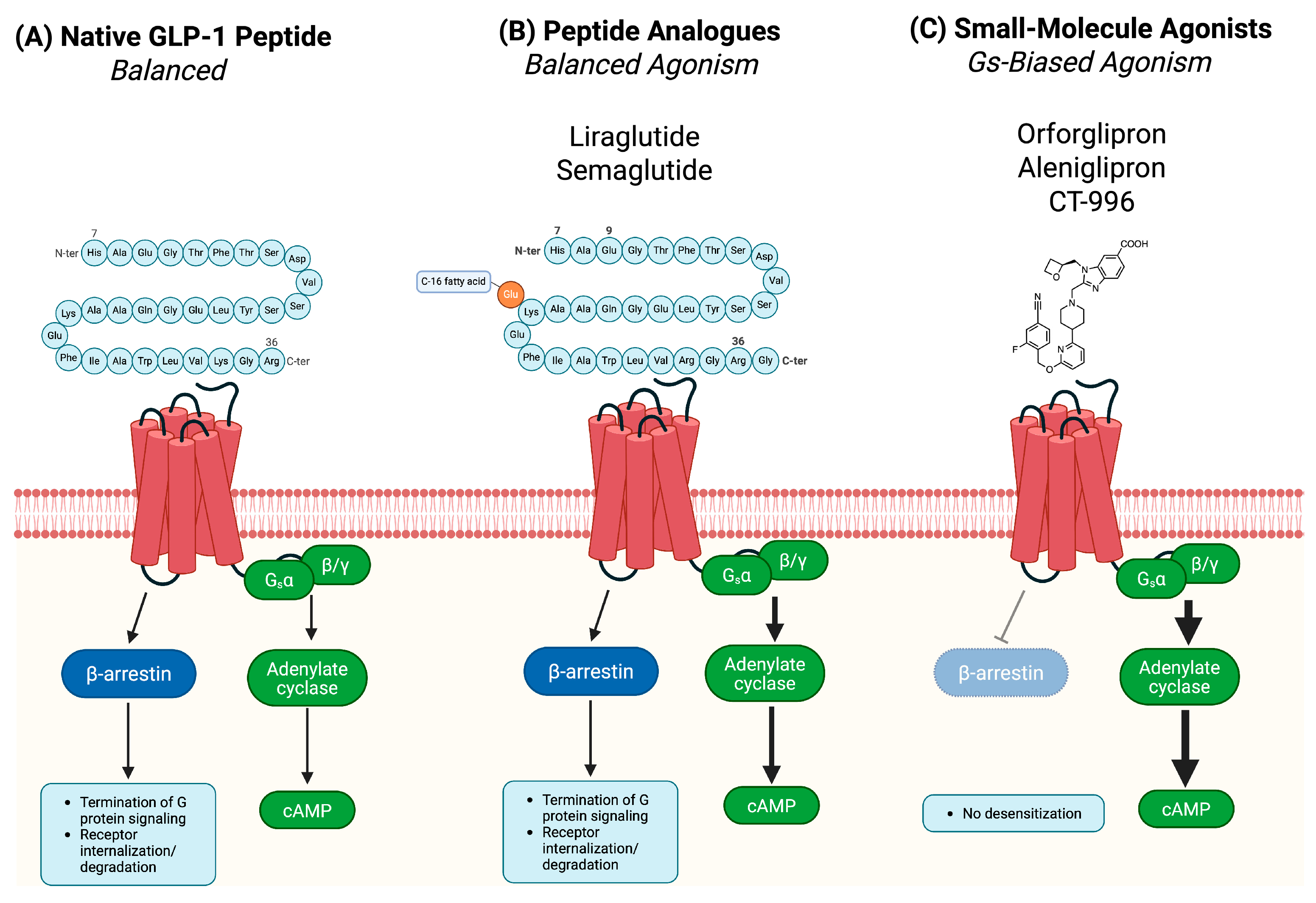
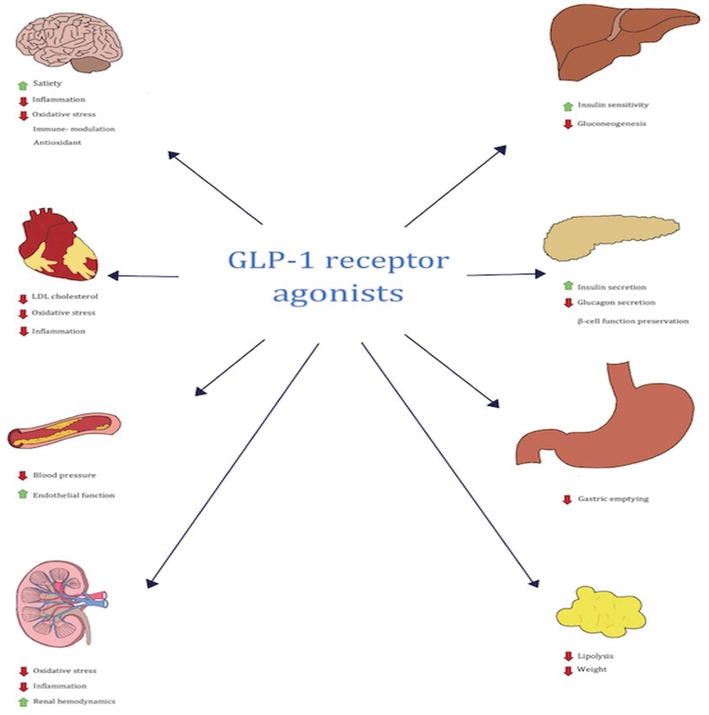
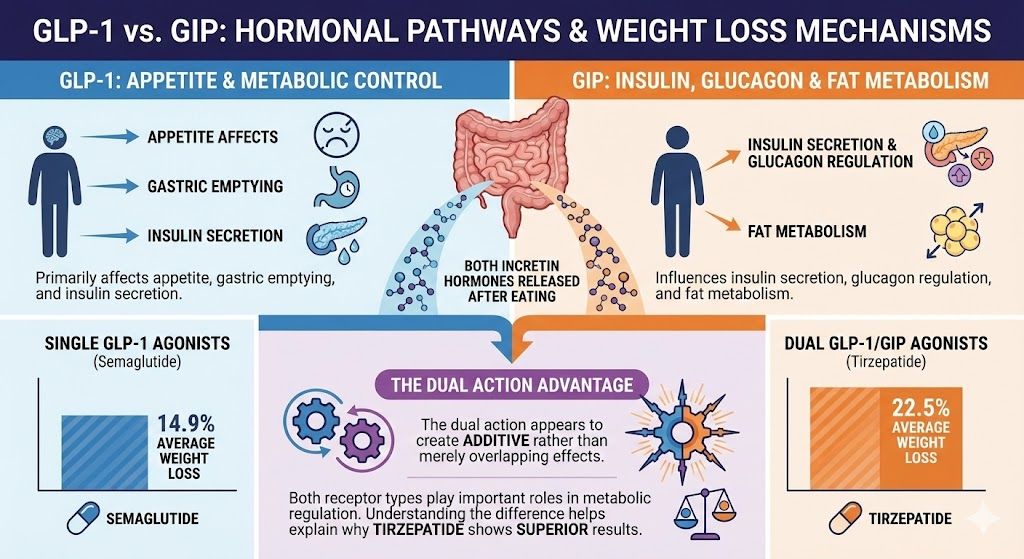
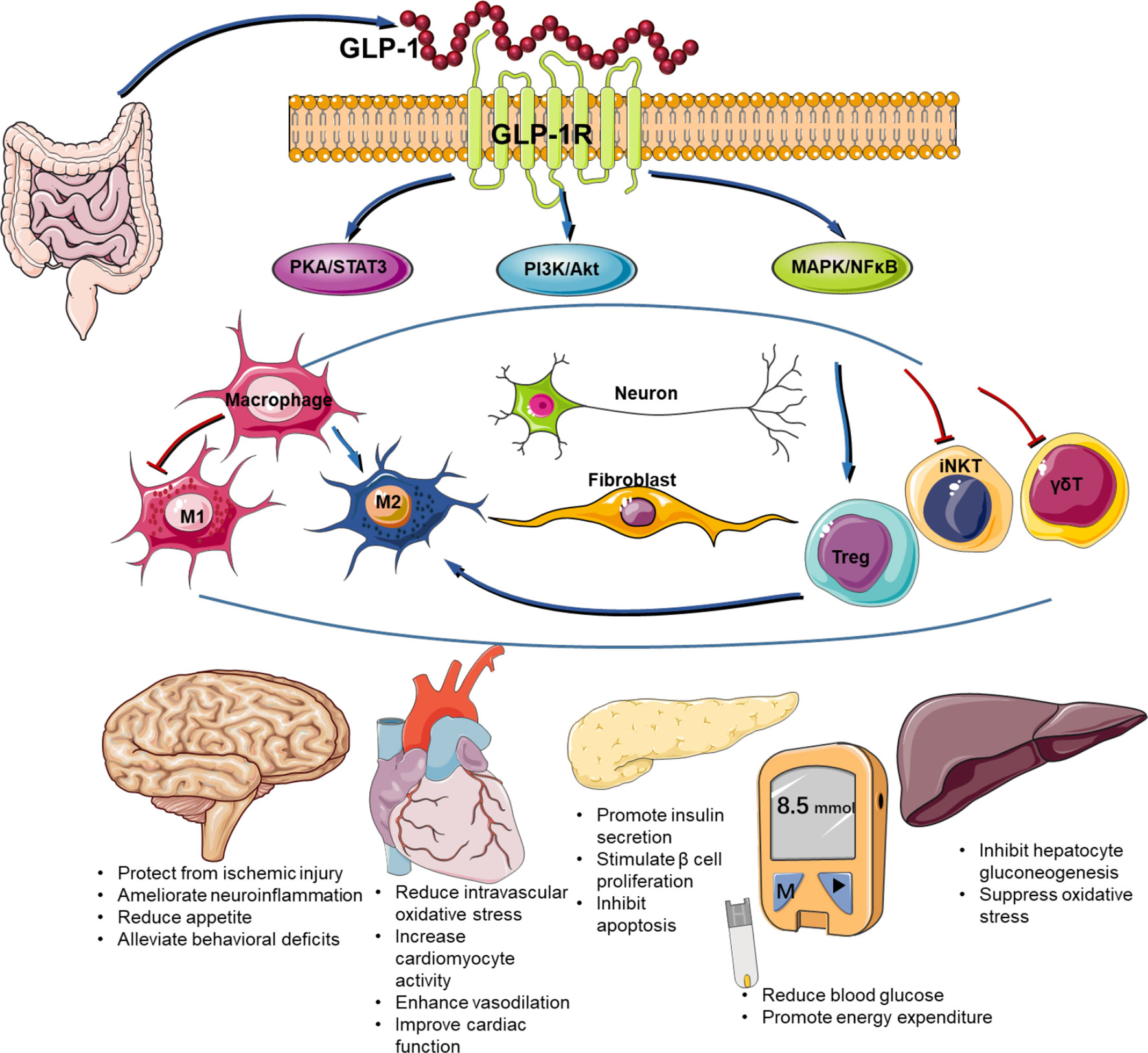
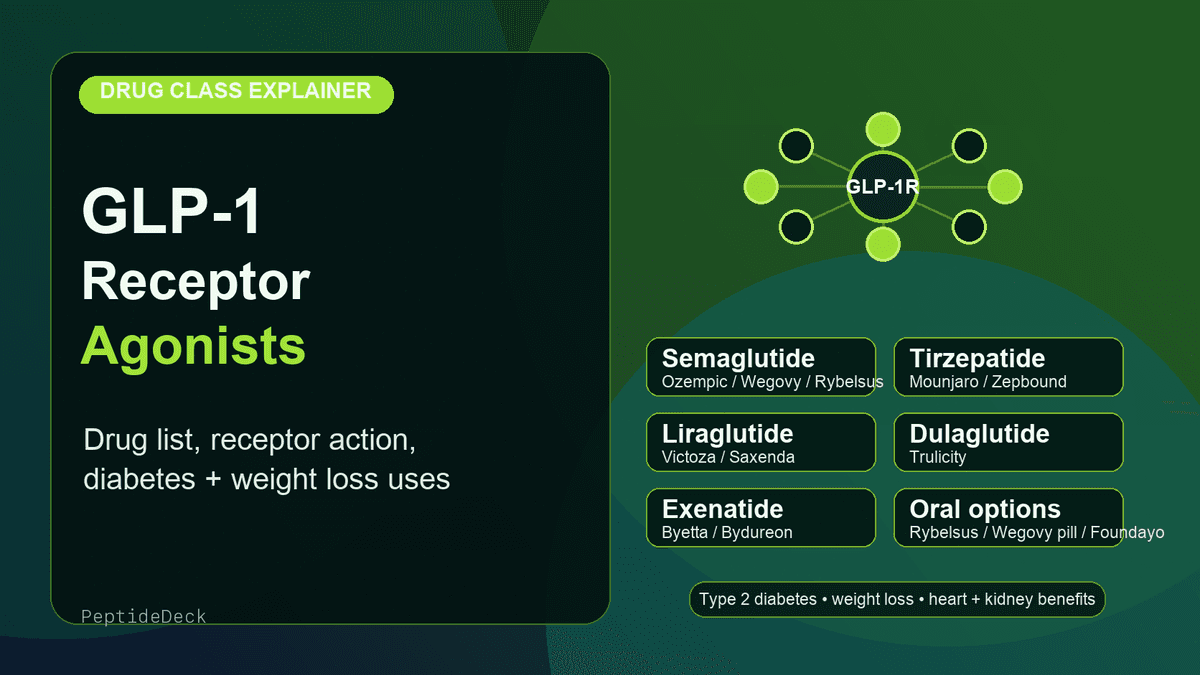
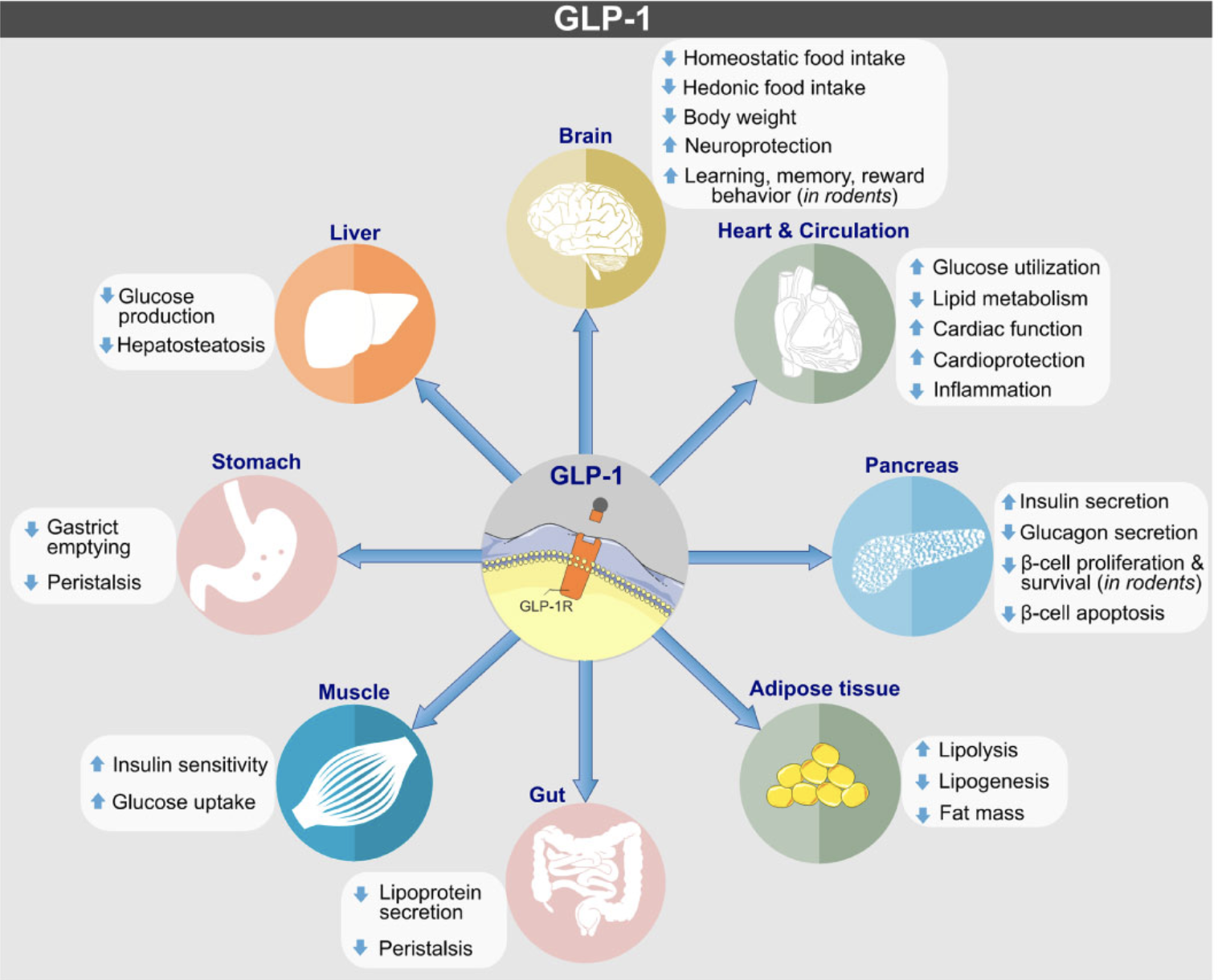
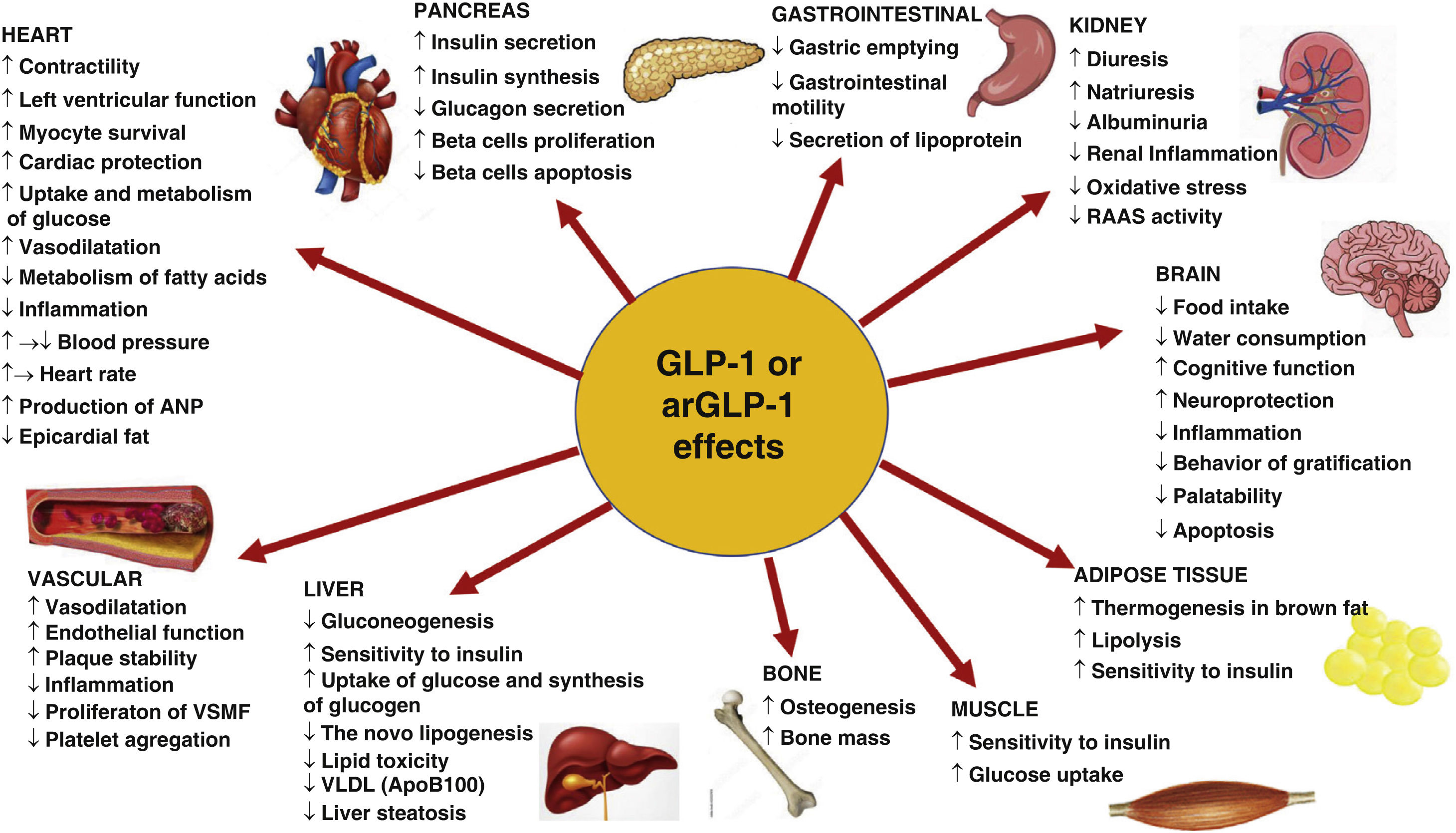
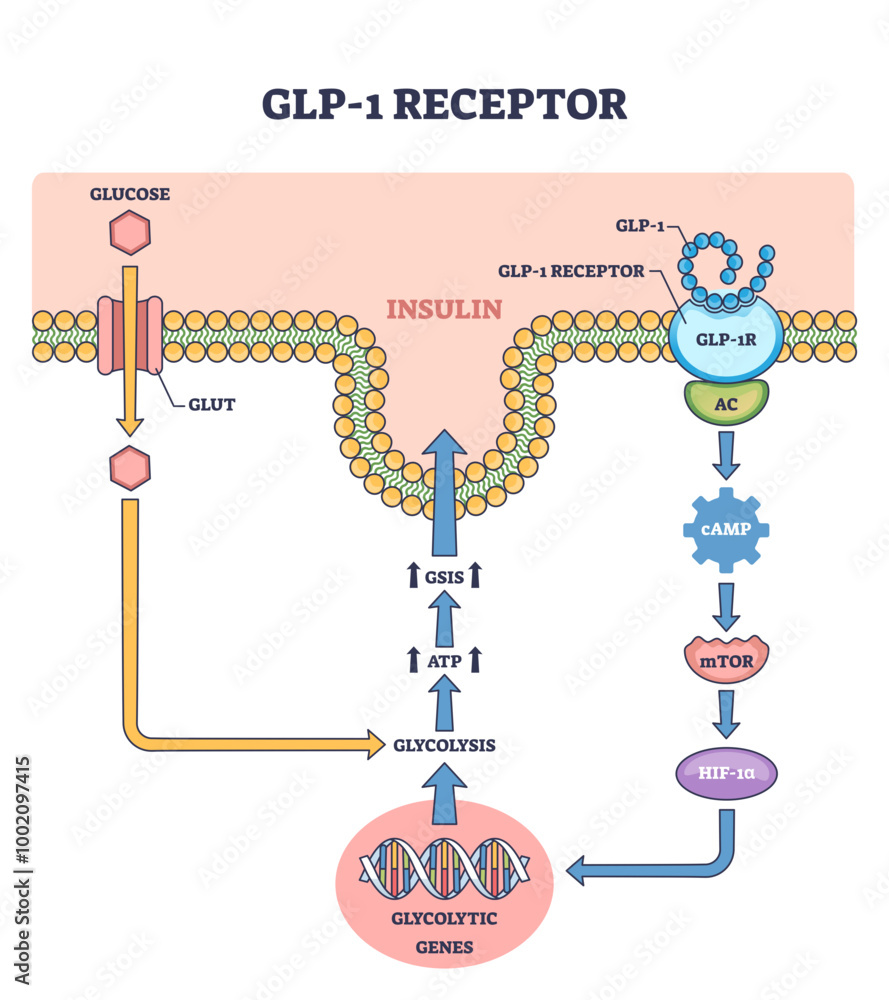
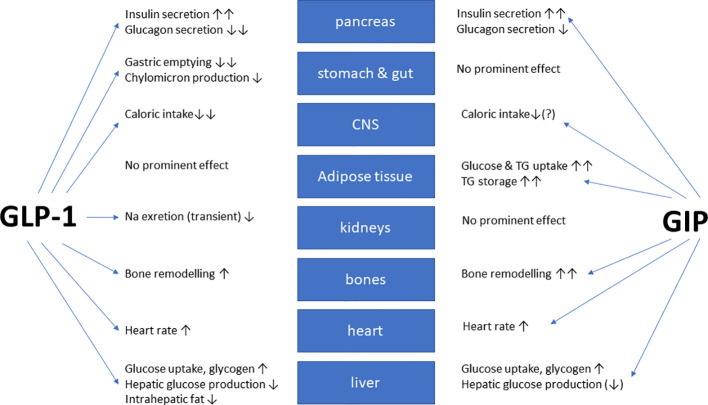
What Are GLP-1 Medications? GLP-1 receptor agonists mimic a natural hormone called glucagon-like peptide-1. This hormone helps regulate: Appetite and fullness Blood sugar levels Digestion speed These medications work by: Reducing hunger Slowing stomach emptying Increasing insulin release when needed Decreasing glucagon (a hormone that raises ...
Glp 1 Receptor Agonists And Fatigue
GLP-1 fatigue is a common side effect experienced by some individuals using GLP-1 receptor agonists for weight or diabetes management. This fatigue results from how GLP-1 affects the body's metabolism, appetite, and energy regulation.
Useful Notes on Glp 1 Receptor Agonists And Fatigue
Glp 1 Receptor Agonists And Fatigue
Such details provide a deeper understanding and appreciation for Glp 1 Receptor Agonists And Fatigue.
An analysis of social media posts about GLP‑1 receptor agonists found that about 16.7% of users mentioned fatigue , which is higher than what is typically recorded in clinical trial summaries, although this kind of study cannot prove that the medicine directly caused the tiredness.
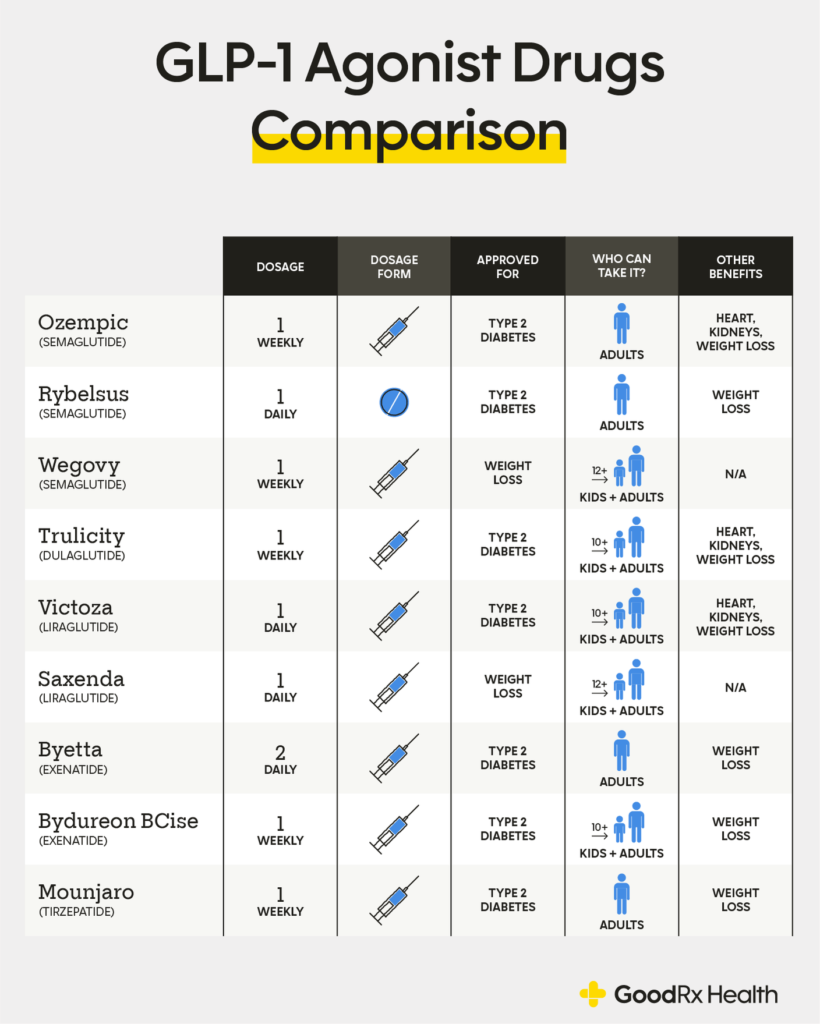
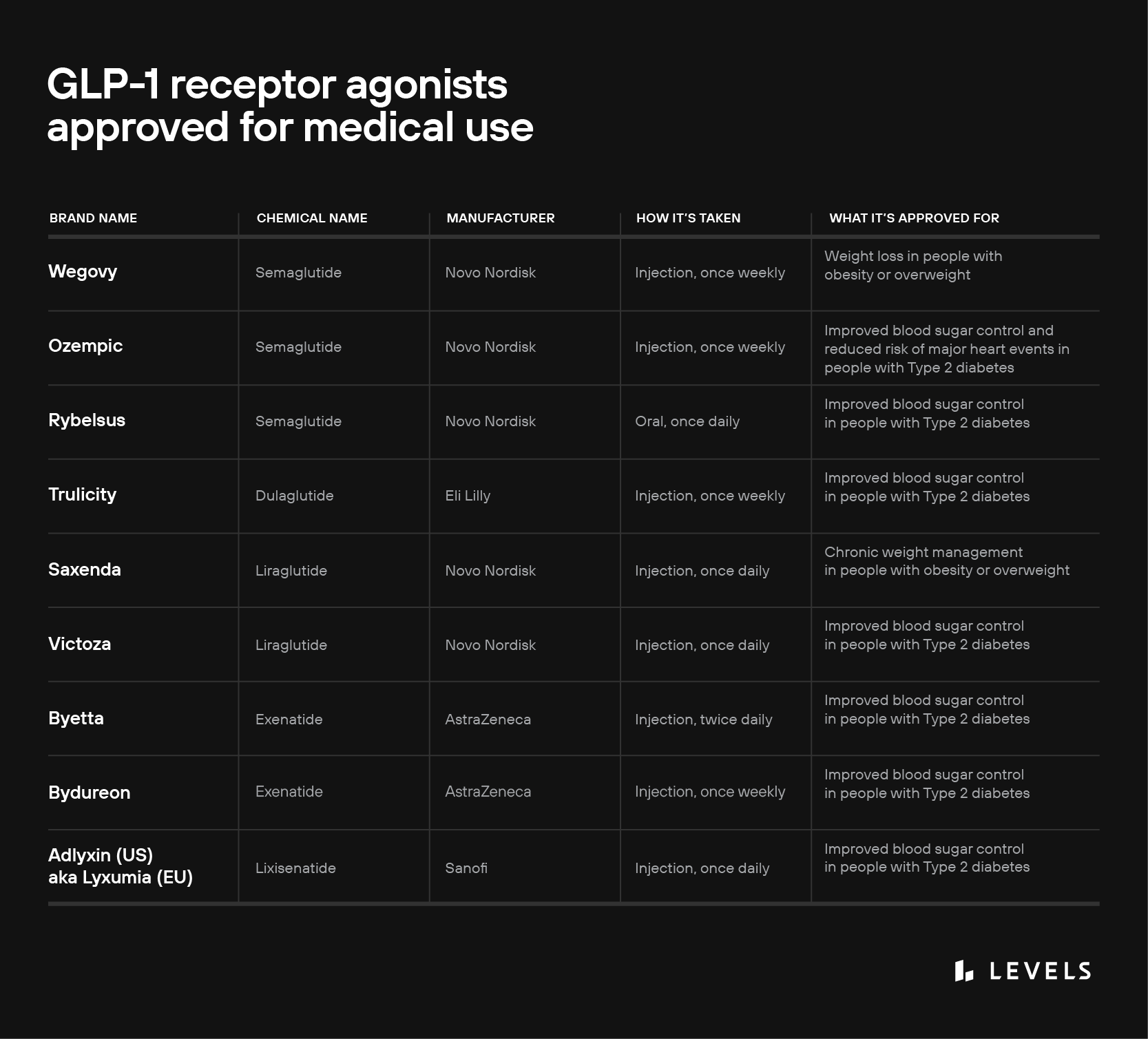
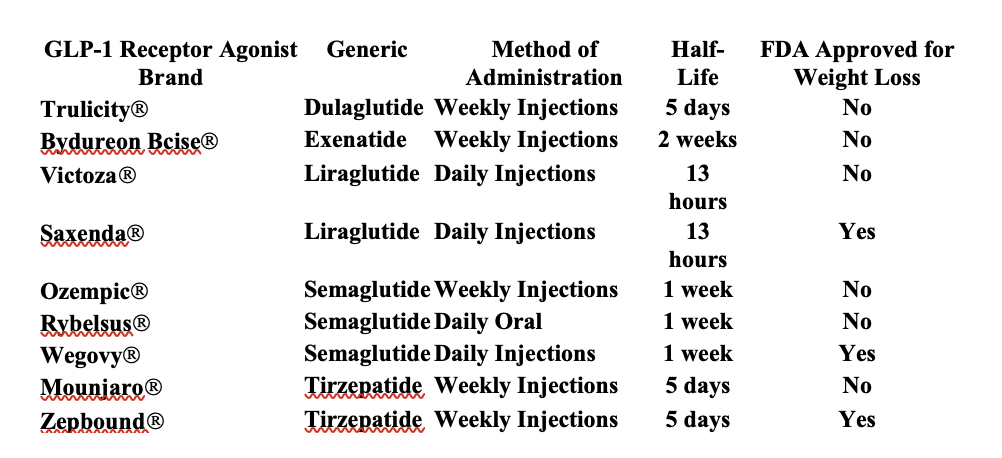
Summary: GLP-1-related fatigue typically improves within several weeks to a few months as the body adapts to treatment, though individual experiences vary considerably. GLP-1 receptor agonists (semaglutide, dulaglutide, liraglutide) can cause fatigue through reduced caloric intake, gastrointestinal side effects, and metabolic adjustment.