A Complete Visual Reference for Often Exhibit Athermal Or Quenched
Overview of Often Exhibit Athermal Or Quenched
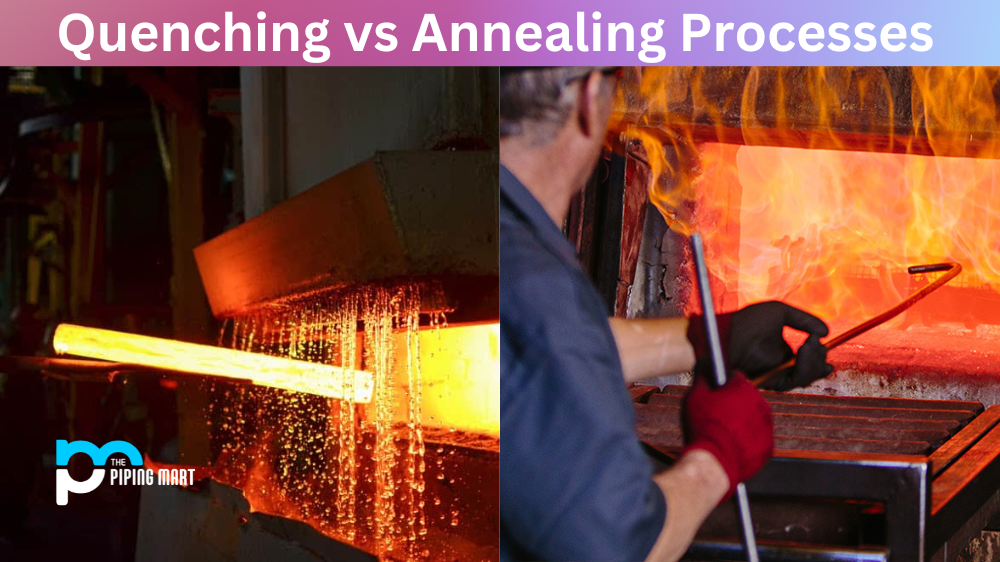
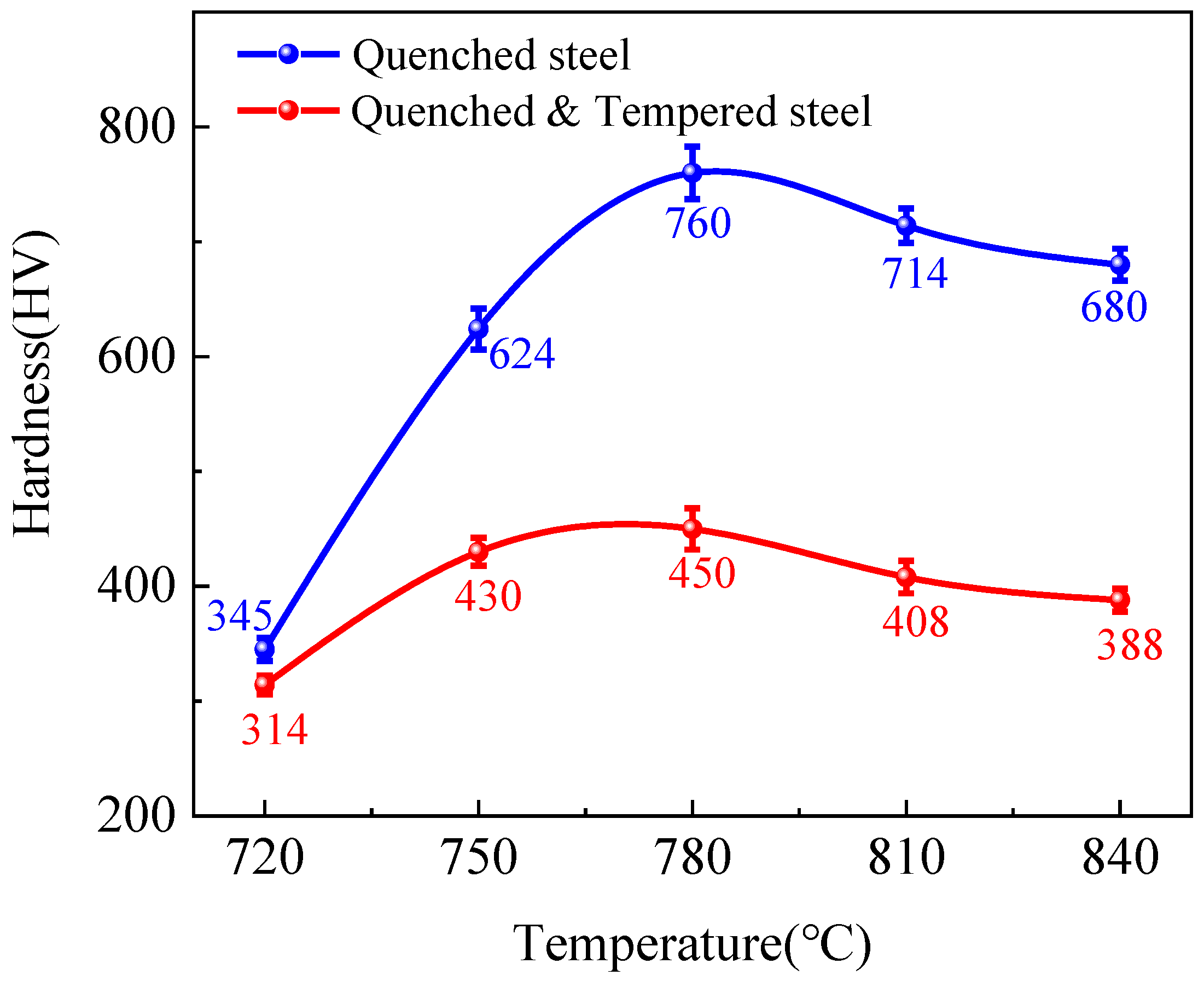
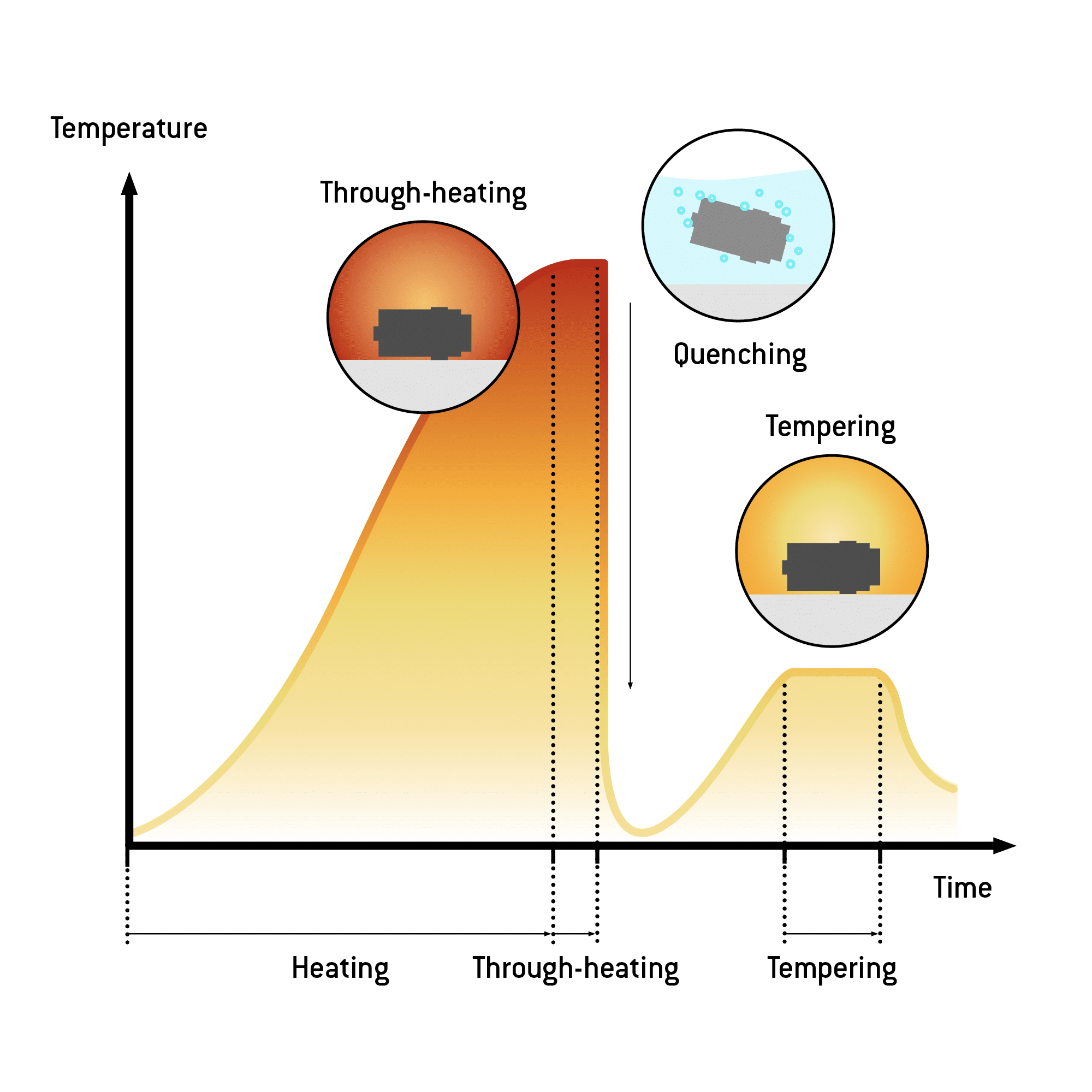
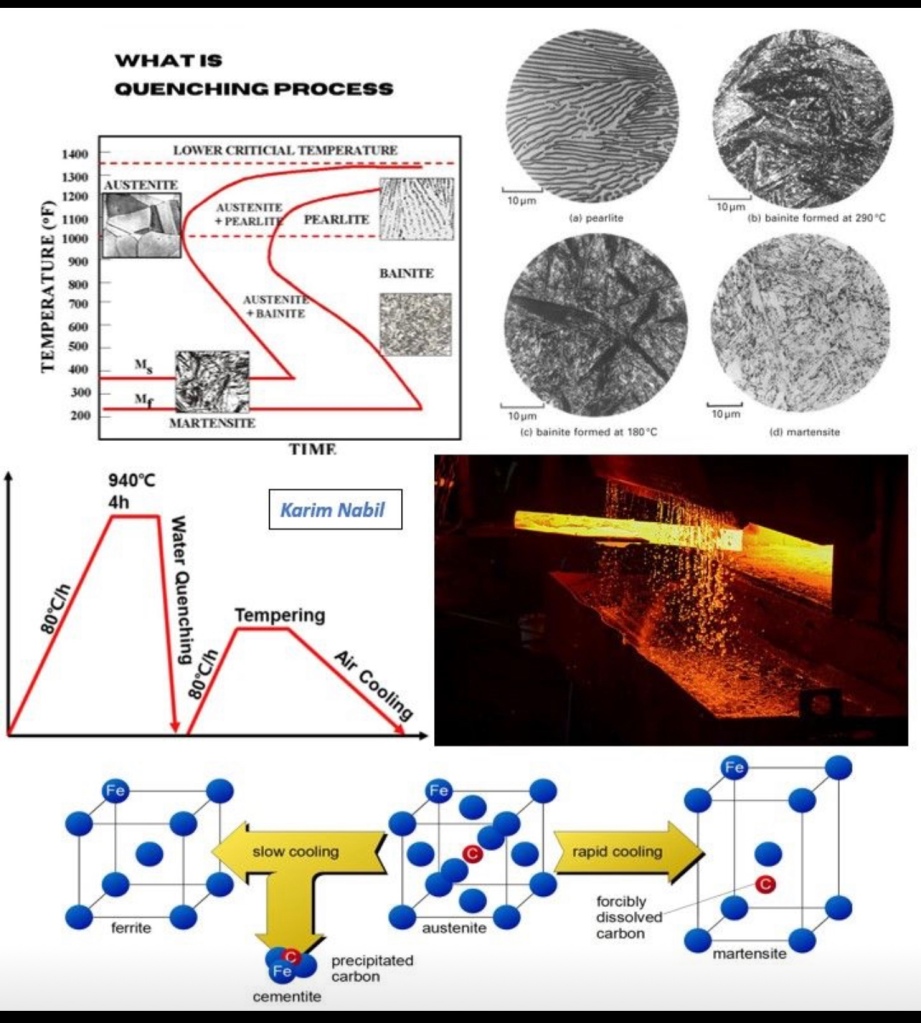
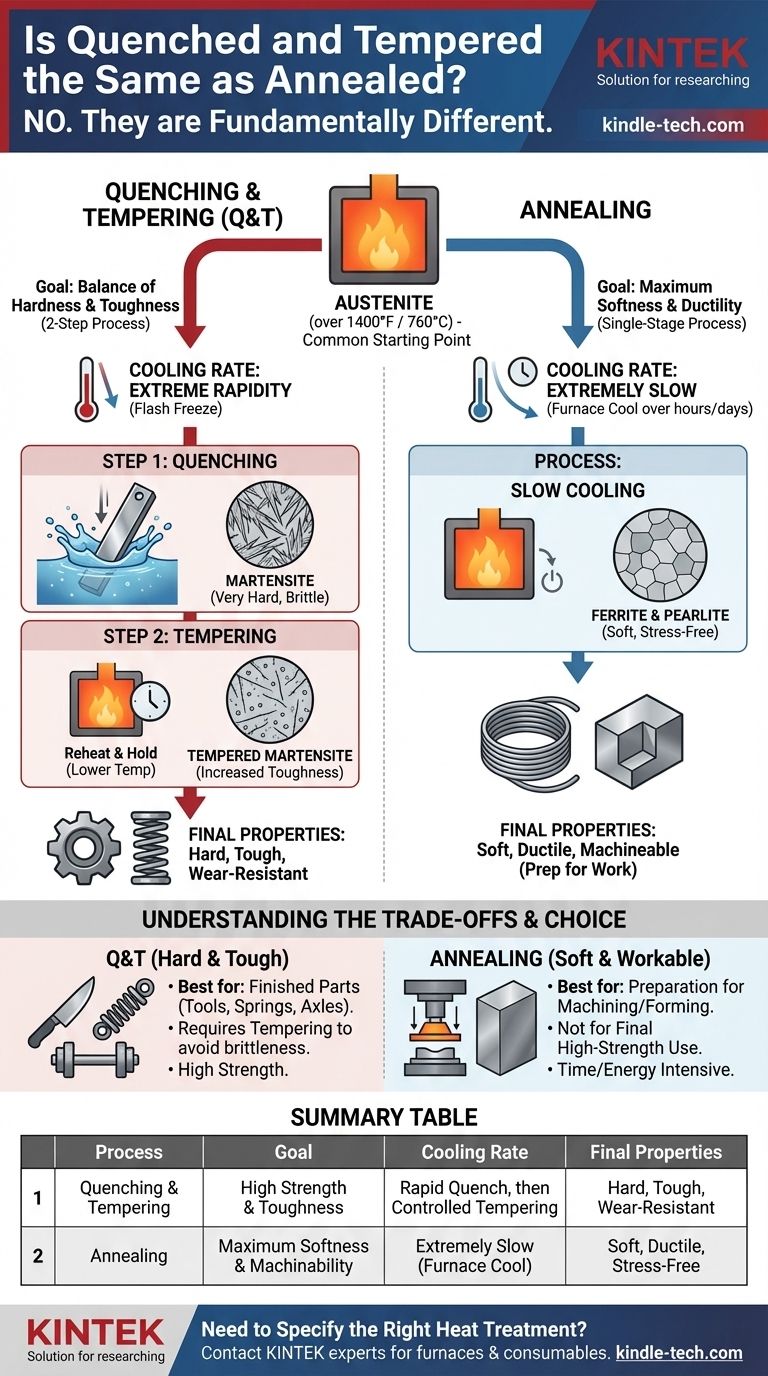
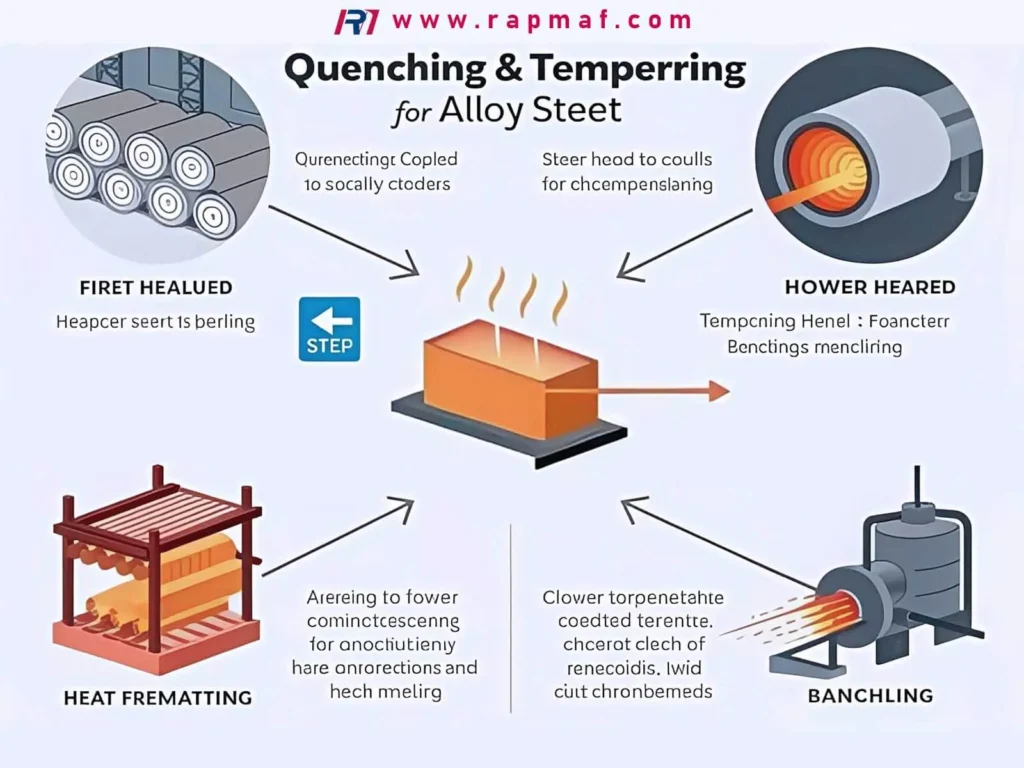
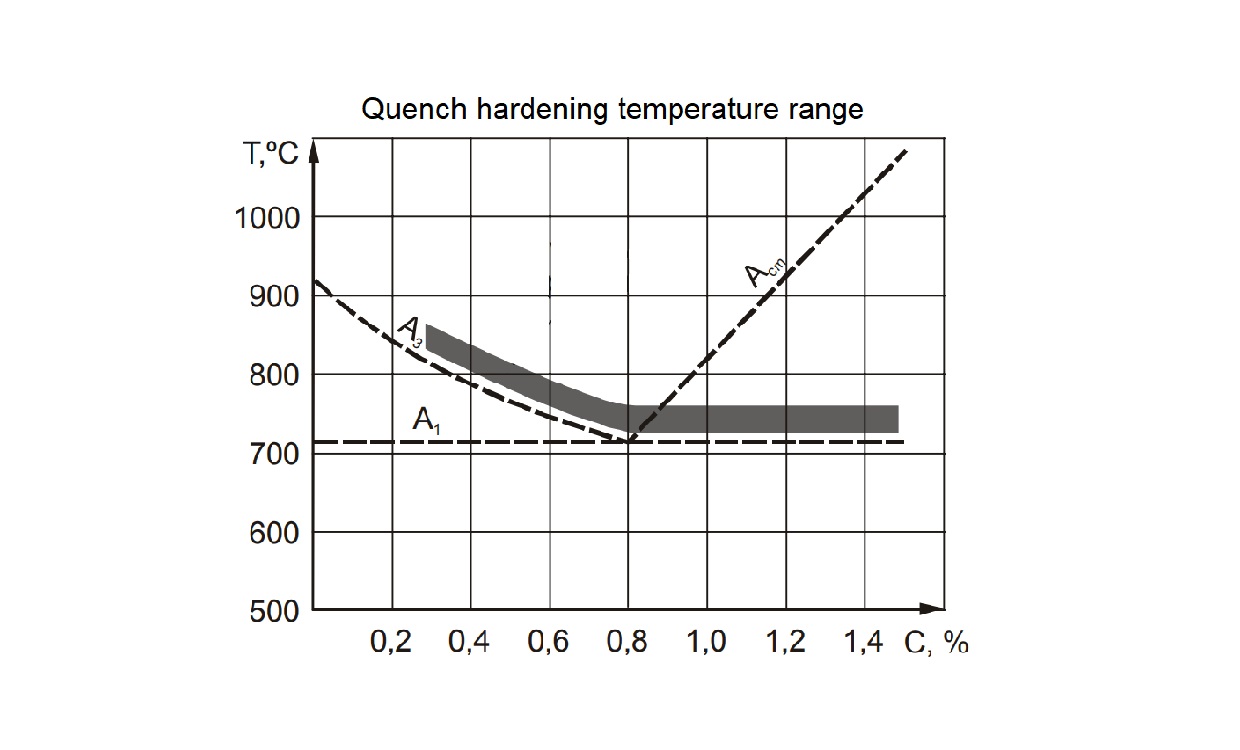
Often , after quenching, an iron or steel alloy will be excessively hard and brittle due to an overabundance of martensite. In these cases, another heat treatment technique known as tempering is performed on the quenched material to increase the toughness of iron -based alloys.
Often Exhibit Athermal Or Quenched
Hardening vs. Quenching
Often Exhibit Athermal Or Quenched
As we can see from the illustration, Often Exhibit Athermal Or Quenched has many fascinating aspects to explore.
Quenched metals, on the other hand, are often utilized in applications that require a combination of hardness, strength, and toughness, such as springs, shafts, and structural components. Conclusion Hardening and quenching are two distinct processes used to enhance the mechanical properties of metals.
Often Exhibit Athermal Or Quenched
Moving forward, it's essential to keep these visual contexts in mind when discussing Often Exhibit Athermal Or Quenched.
Both athermal ω, which forms during quenching via a displacive mechanism involving collapse of {222} β planes, and isothermal ω, which additionally requires diffusional rearrangement, are believed to compete with α″ to form from the unstable β lattice during cooling [10, 11].



+They+exhibit+variable+oxidation+states.jpg "Topic 15A The Principals of transition metals chemistry Lesson 1 ...")