21 High Calcium Foods For Guinea Pigs (Best Foods for Baby Guinea Pigs)
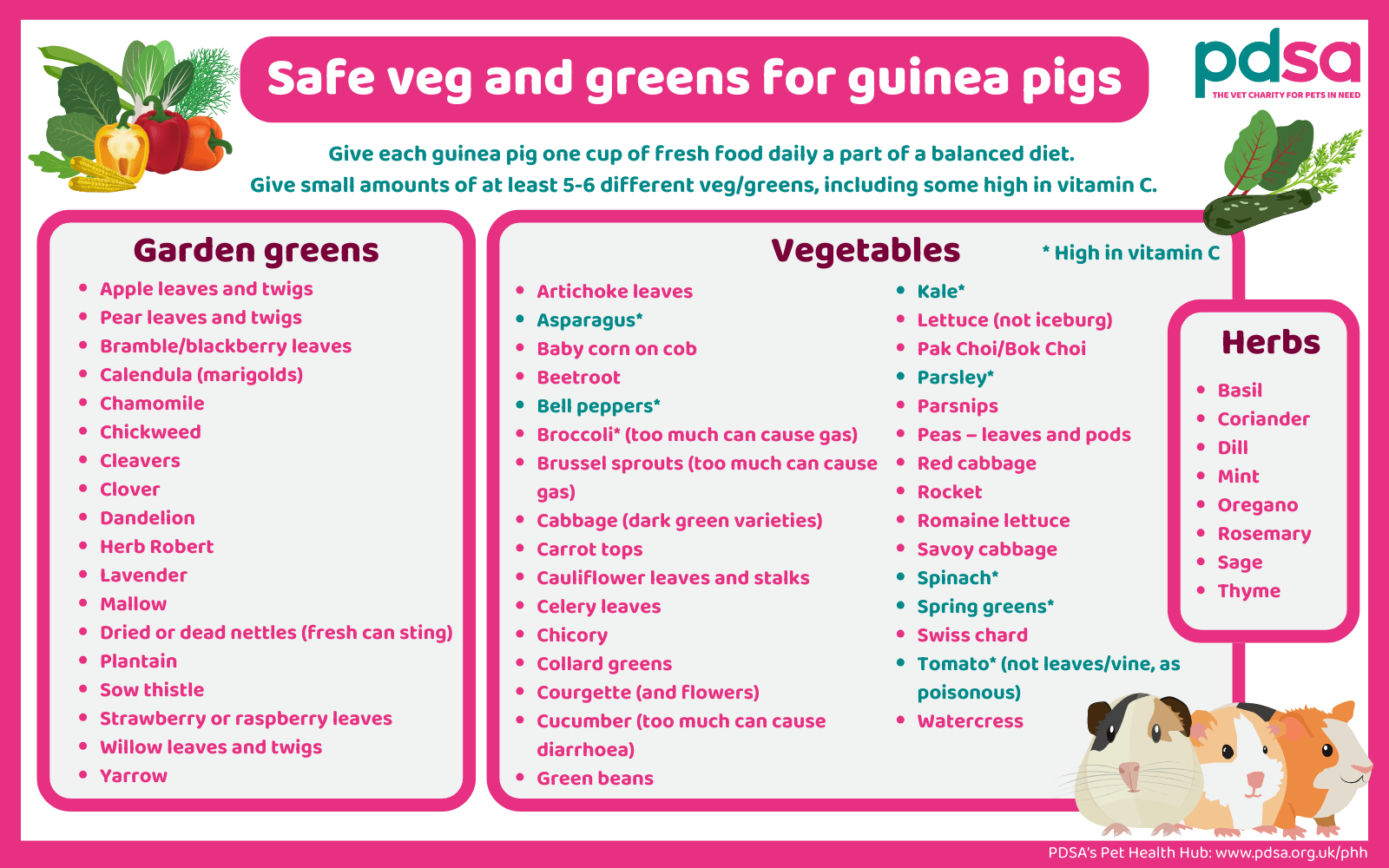
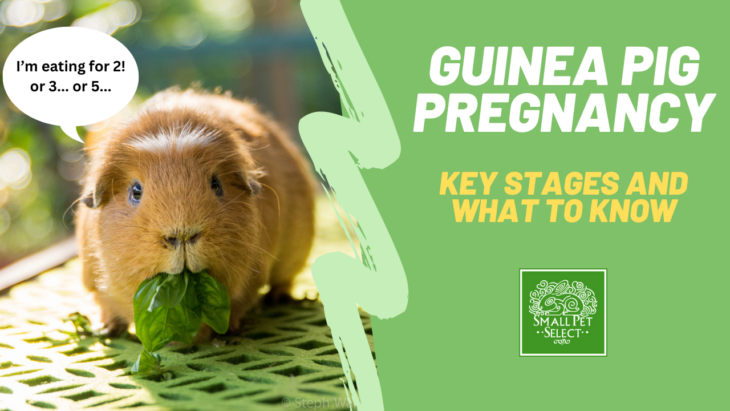
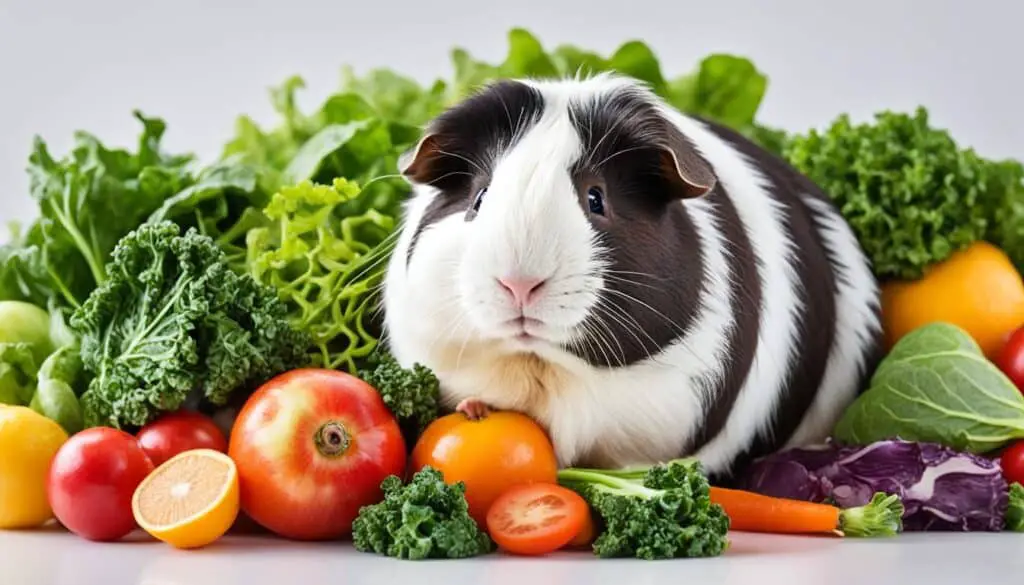
Calcium is an essential nutrient for the growth and development of baby guinea pigs . Slightly higher amounts of calcium can also be beneficial for pregnant or nursing females. However, most adult guinea pigs require very little calcium in their diet. Feeding too many calcium -rich veggies can cause bladder stones to develop.

Vet‑approved 2025 guide on calcium deficiency in guinea pigs ! 🐹🦴 Learn causes—common in pregnant , nursing, stressed piggies—plus signs like muscle spasms & convulsions, diagnosis methods, supplementation plans and diet adjustments from Dr Duncan Houston BVSc.

This particular example perfectly highlights why Safe Calcium Sources For Guinea Pigs Pregnant is so captivating.
The Issue Of Diets with No Calcium

This particular example perfectly highlights why Safe Calcium Sources For Guinea Pigs Pregnant is so captivating.
This article explores the importance of calcium for guinea pigs , the risks of calcium deficiency in pregnant guinea pigs , symptoms and consequences, age-related considerations, factors affecting calcium absorption, and achieving a balanced diet. Key Points Baby guinea pigs and pregnant mamas require extra calcium for proper development.
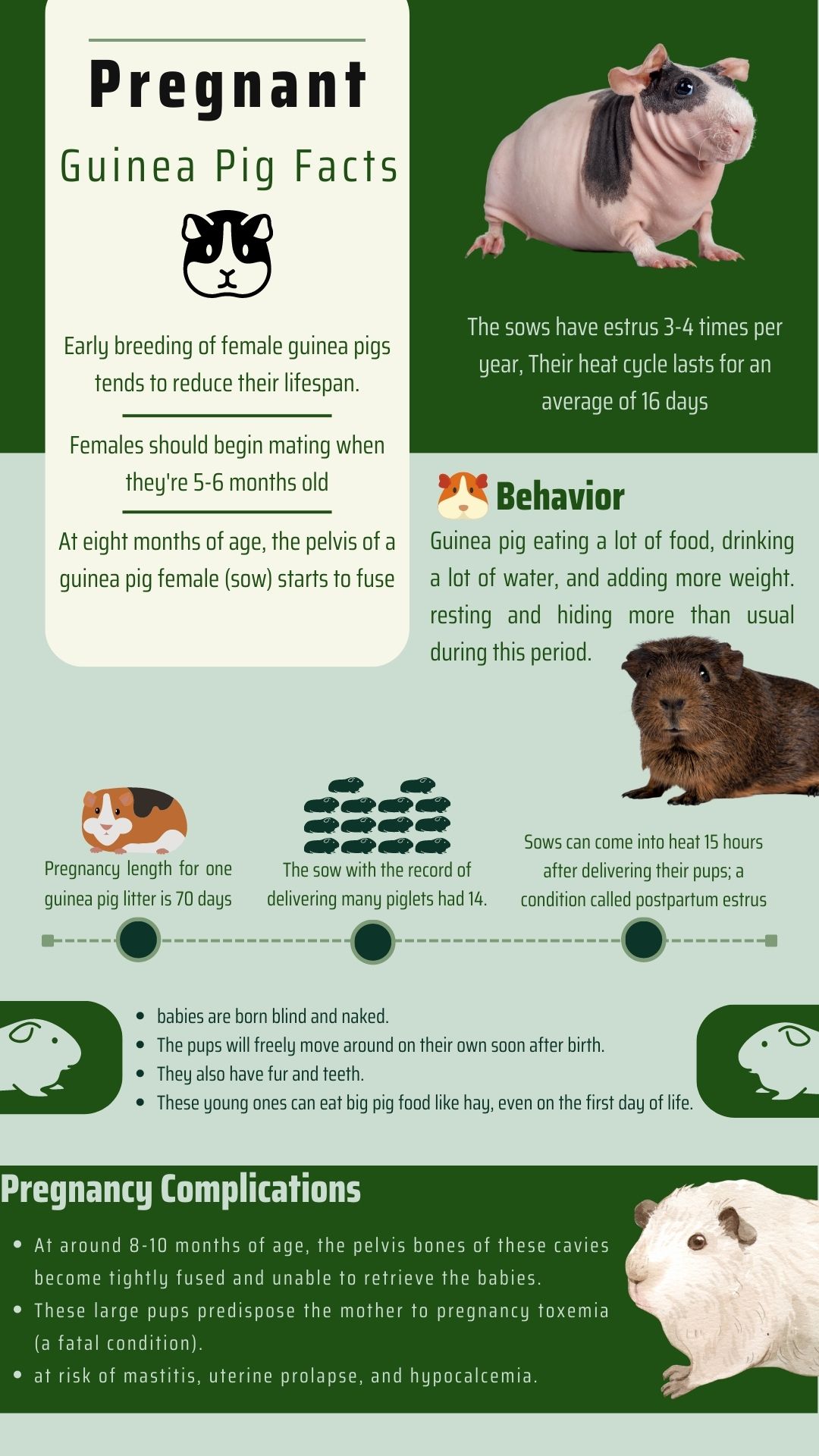
Pregnant guinea pigs require specific nutrients to ensure a healthy pregnancy and successful delivery. Essential nutrients such as vitamin C, calcium , phosphorus, folate, and beta-carotene play a crucial role in supporting the growth and development of both the mother and her babies.
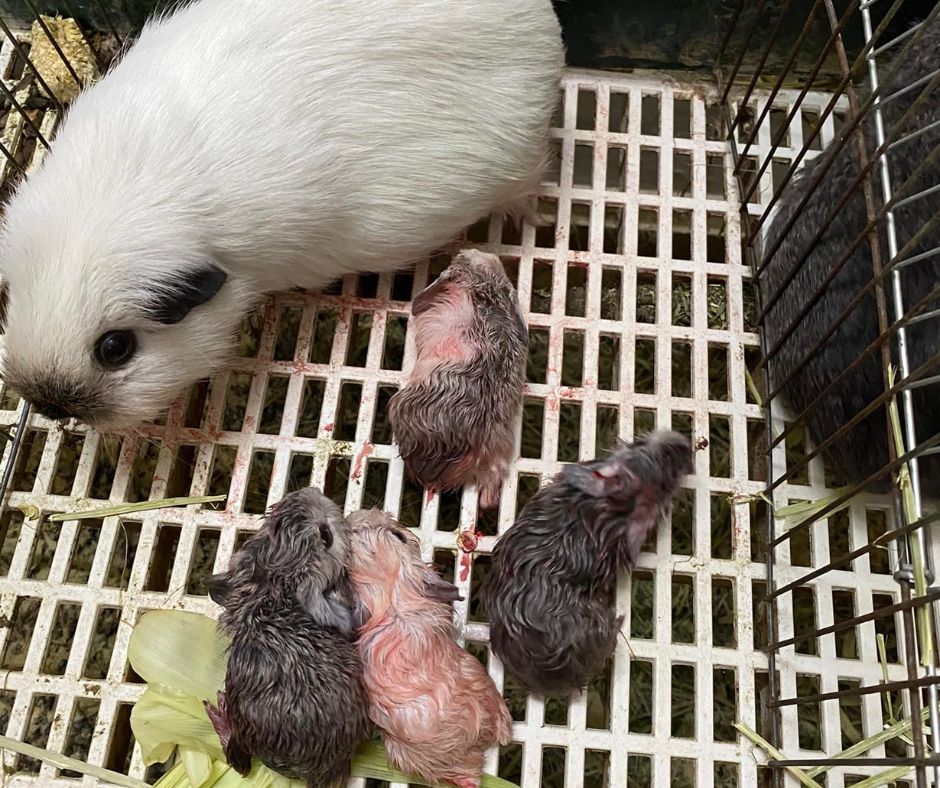
Symptoms and Types Calcium deficiency usually develops in the 1-2 weeks before, or shortly after, a pregnant guinea pig gives birth. Signs associated with the calcium deficiency include dehydration, depression, loss of appetite, muscle spasms, and convulsions. However, some guinea pigs may die suddenly without displaying any signs.