Beautiful Perspectives on Set Up Expressway Remote Access Vpn
Mobile and Remote Access Through Cisco Expressway Deployment Guide (X15.0)
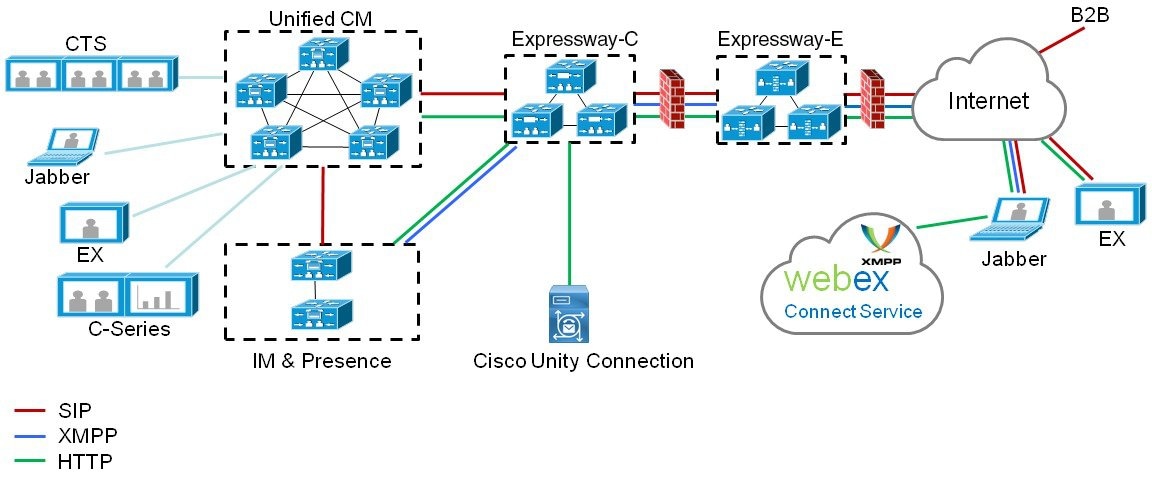
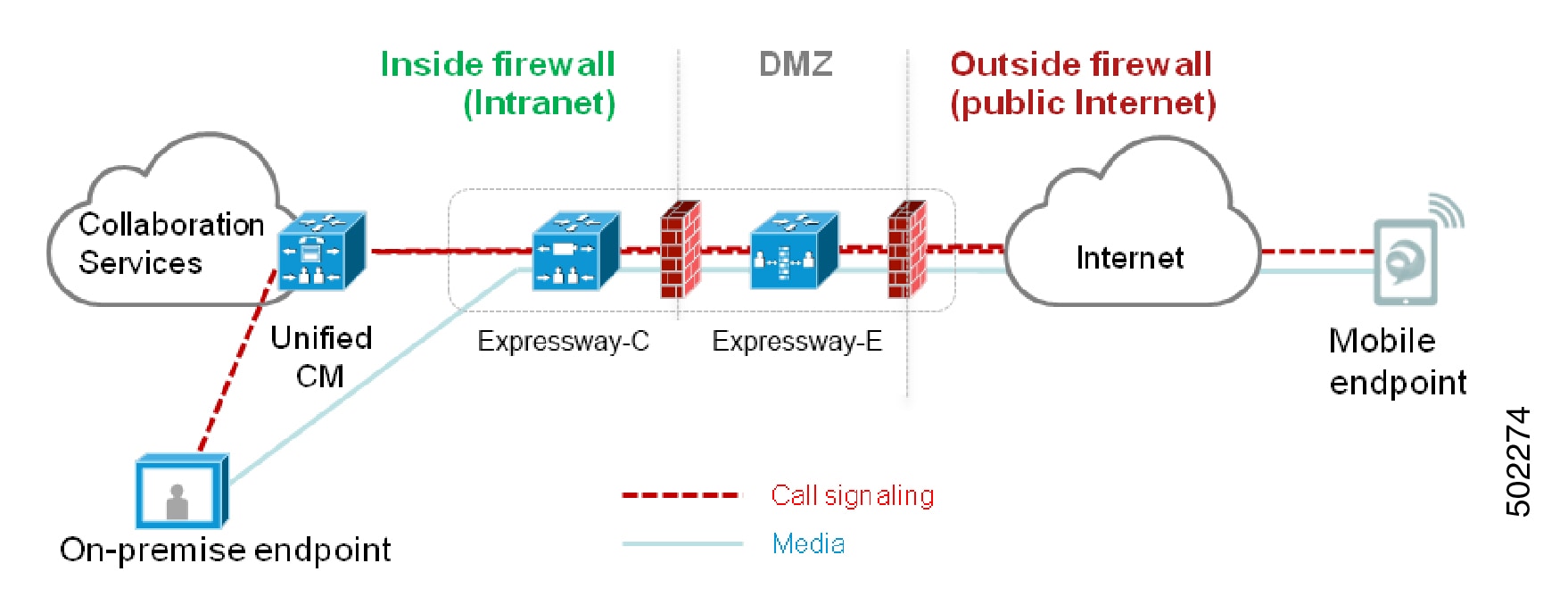
This guide assumes that you have already set up the following: A basic Expressway-C and Expressway-E configuration, as specified in the Expressway Basic Configuration Deployment Guide (The document describes the networking options for deploying Expressway-E in the DMZ.)
This configuration automatically sets up an appropriate traversal zone (a traversal client zone when selected on Expressway-C or a traversal server zone when selected on Expressway-E) that uses SIP TLS with TLS verify mode set to On, and Media encryption mode set to Force encrypted.
Set Up Expressway Remote Access Vpn
This particular example perfectly highlights why Set Up Expressway Remote Access Vpn is so captivating.
Mobile and Remote Access Through Cisco Expressway Deployment Guide (X15.0)
MRA Configuration Enable IPv6 Over MRA Set up the Expressway-E external LAN to support dual addressing. This configuration will ensure that Expressway supports MRA over IPv6. Expressway X14.2 release now officially supports MRA client over IPv6. This support was not available earlier. However, to provide this support, a few configuration changes are needed on Expressway , CUCM and other network ...
Set Up Expressway Remote Access Vpn
Such details provide a deeper understanding and appreciation for Set Up Expressway Remote Access Vpn.
Configuring mobile and remote access on Expressway Installing Expressway security certificates and setting up a secure traversal zone Setting up the Expressway-C Configuring DNS and NTP settings 4 5 5
Mobile Remote Access Via Expressway Deployment Guide X8 11 4 PDF
The following steps summarize the configuration required on the Expressway-E and the Expressway-C. Full details are described in section Configuring mobile and remote access on Expressway [p.14]