Setting Up A Grantor Retained Annuity Trust With Ira
Mastering the Concepts of Setting Up A Grantor Retained Annuity Trust With Ira Visually
Grantor Retained Annuity Trust
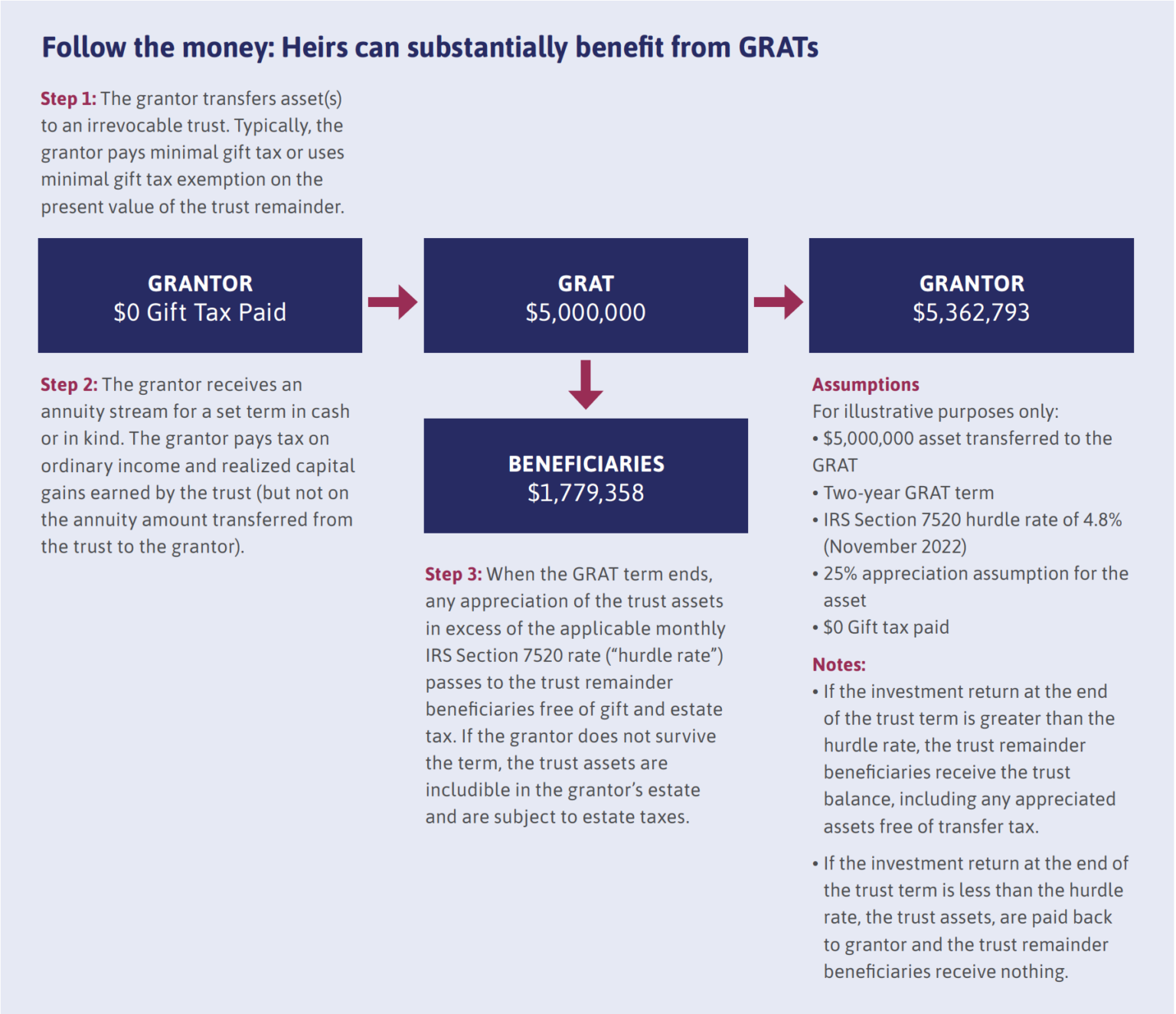
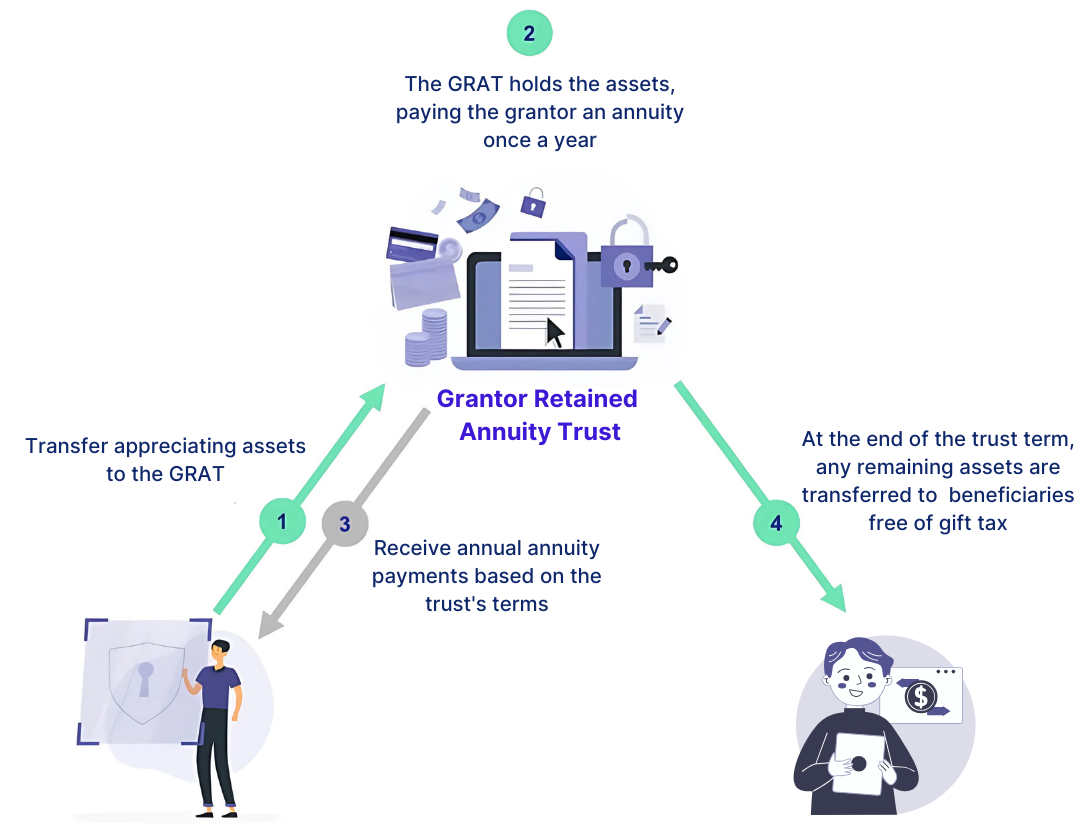
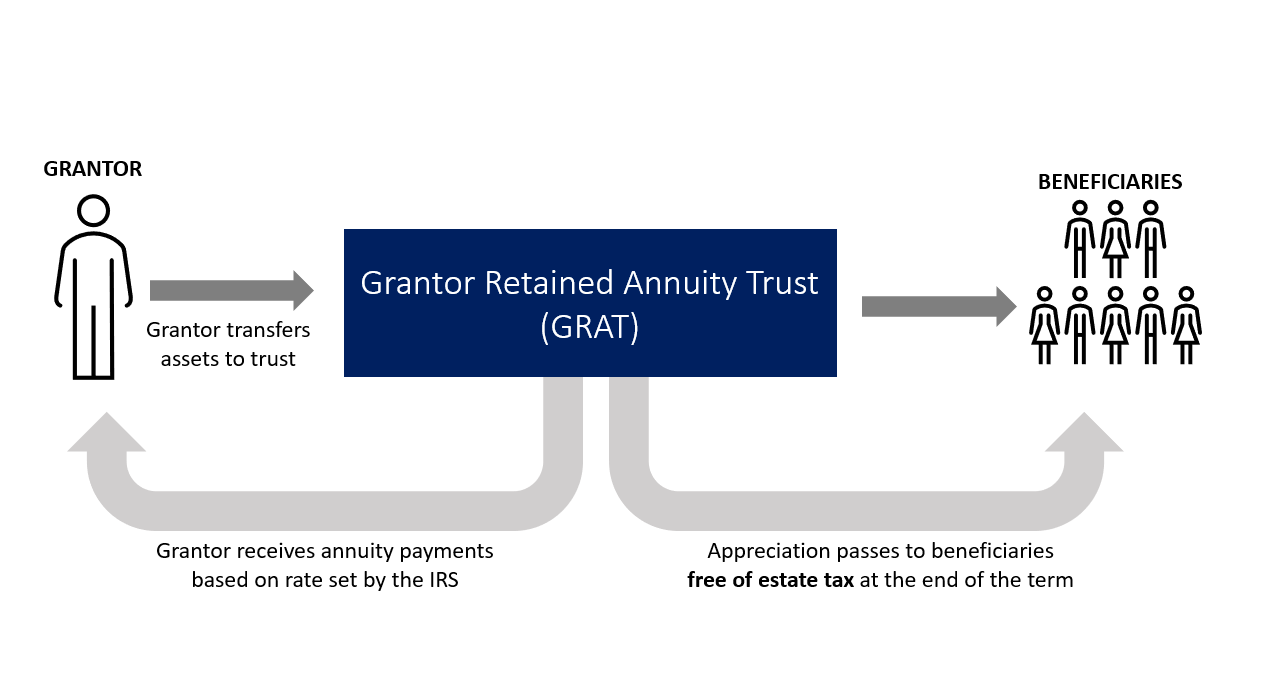
A Grantor Retained Annuity Trust (GRAT) is a powerful estate planning tool that allows individuals to transfer wealth to their heirs while minimizing gift and estate taxes. By setting up a GRAT, a grantor can retain an annuity payment for a set period of time, after which the remaining assets are passed on to beneficiaries. This strategy is often used by individuals with large estates looking ...
Setting Up A Grantor Retained Annuity Trust With Ira
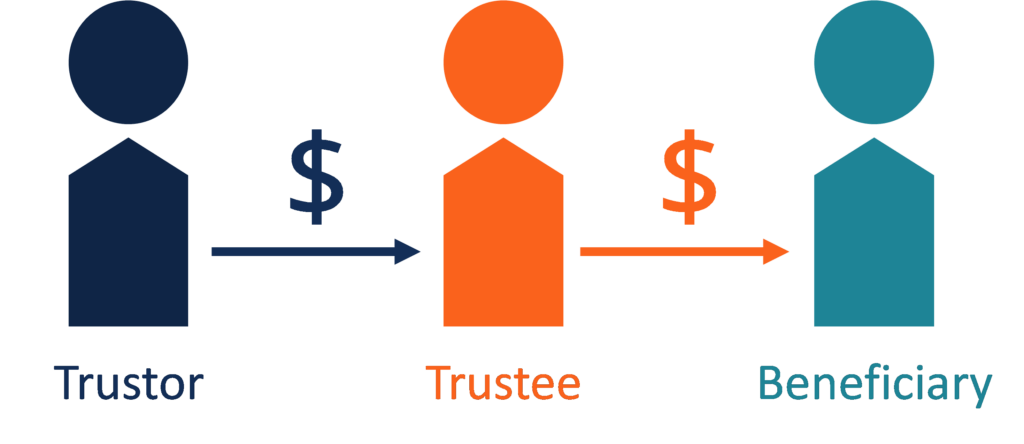
Furthermore, visual representations like the one above help us fully grasp the concept of Setting Up A Grantor Retained Annuity Trust With Ira.
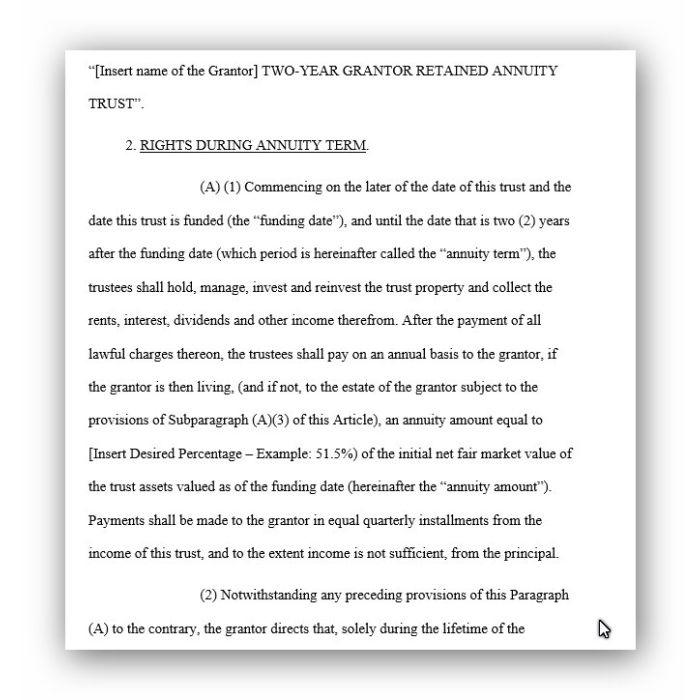
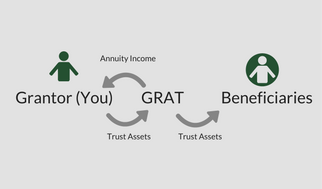
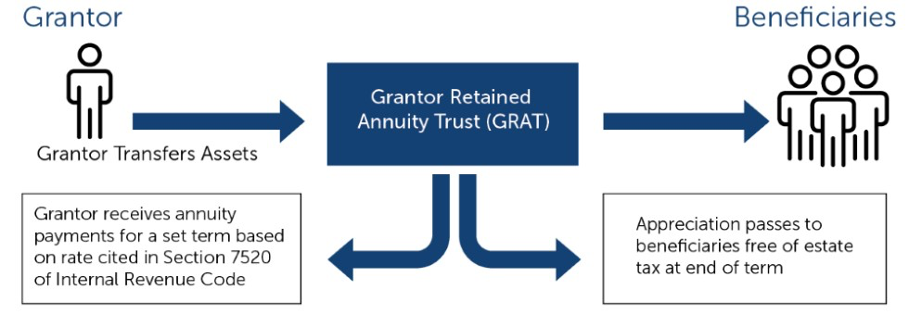
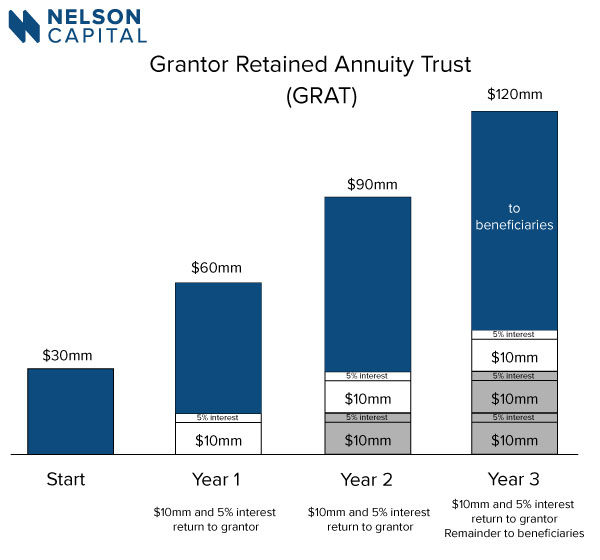
An individual would work with an attorney to set up an irrevocable trust and transfer assets into it. In return, the grantor would receive an annuity payment at least annually for a certain number of years.
Setting Up A Grantor Retained Annuity Trust With Ira
A Grantor Retained Annuity Trust (GRAT) can be a valuable tool to address this. It allows you to transfer wealth to future generations while freezing the current value of the assets for tax purposes and using minimal lifetime gift tax exemption. What is a GRAT? A GRAT is an irrevocable trust that exists only for a specified period of time.
Setting Up A Grantor Retained Annuity Trust With Ira
The Complete Guide to Grantor Retained Annuity Trusts (GRATs)
A Grantor Retained Annuity Trust (GRAT) is a powerful estate planning tool that allows high-net-worth individuals to transfer wealth, reduce estate tax liability, and minimize gift taxes.