Overview of Snake Molting And Nutrition
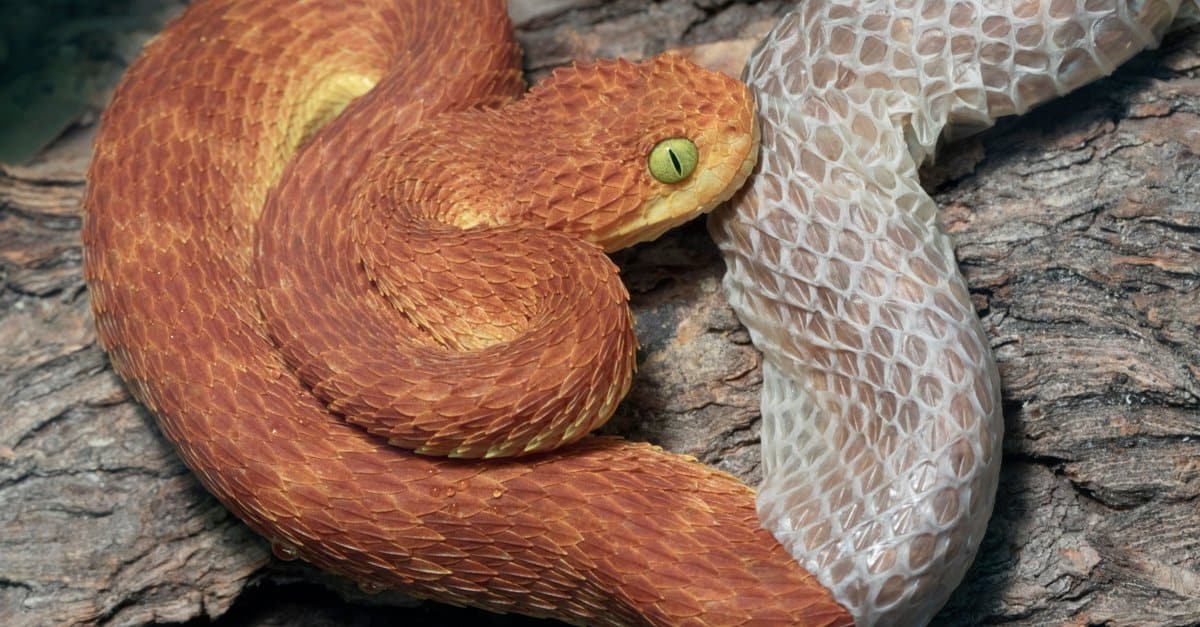
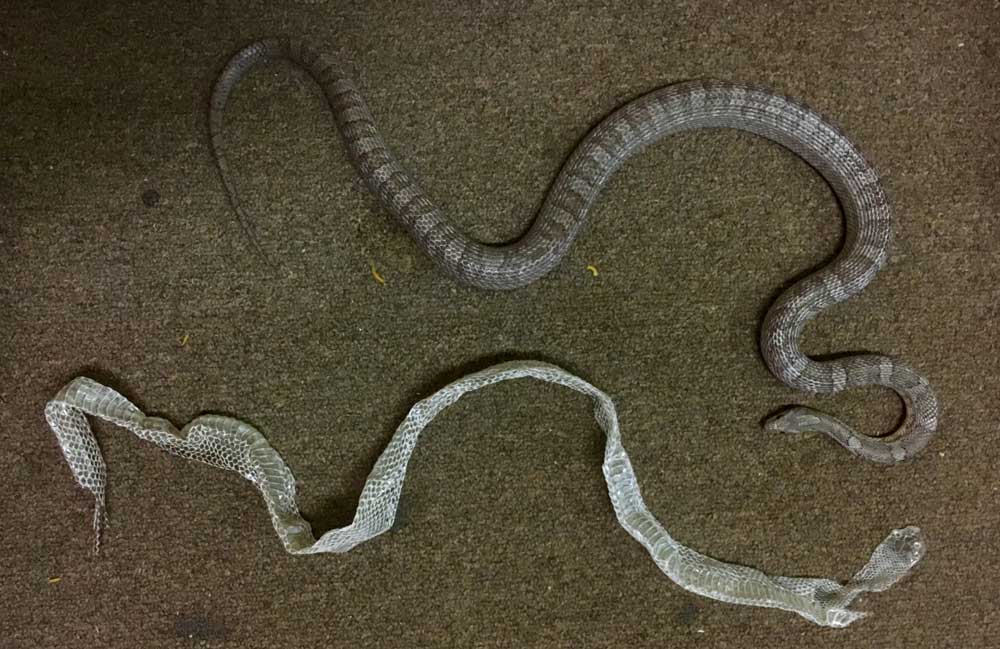
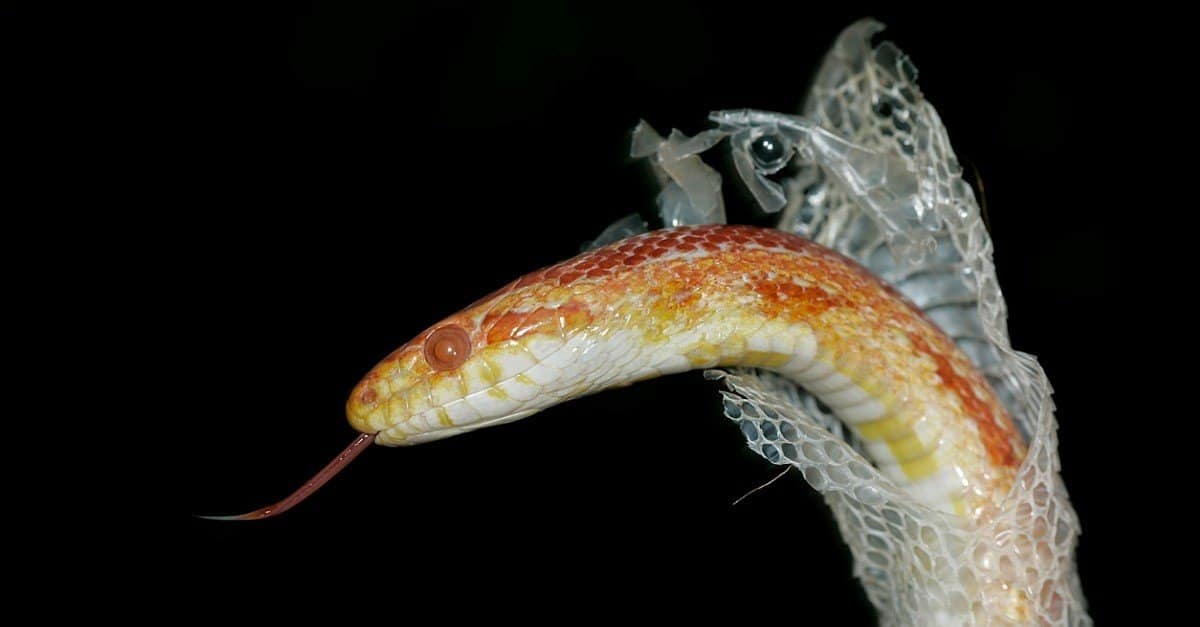
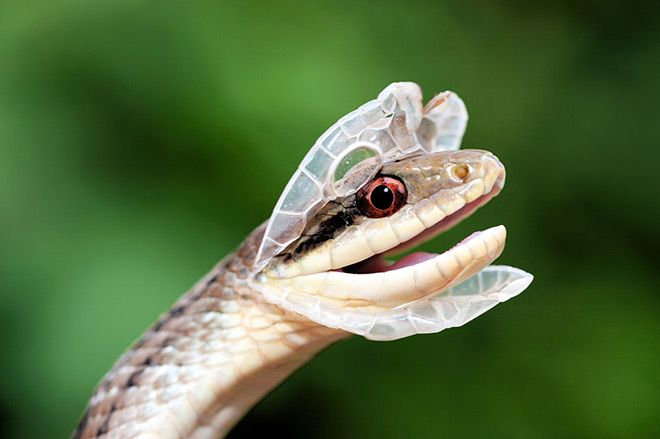
Snake - Molting , Shedding, Adaptation: Snakes molt, or shed, their skins periodically throughout their life. Dormant individuals do not shed, but often molting occurs after the end of dormancy. Skin replacement in snakes has been modified; cells are not constantly produced independently but grow on the same cycle into a complete unit. An indication of the loosening of the old skin is when the ...
Learn about the veterinary topic of Nutrition in Snakes . Find specific details on this topic and related topics from the MSD Vet Manual.

This particular example perfectly highlights why Snake Molting And Nutrition is so captivating.
Is your snake shedding its skin? Learn why shedding is important and how to help your snake through the process! Parker Center Animal Clinic shares tips on creating a healthy habitat and what to do if your snake has shedding problems.
Molting is an essential yet delicate phase in every reptile's life cycle. By maintaining proper humidity, temperature, cleanliness, hydration, nutrition , and minimizing stress during this time, you can provide invaluable support to your pet ensuring healthier sheds and overall well-being.
As we can see from the illustration, Snake Molting And Nutrition has many fascinating aspects to explore.
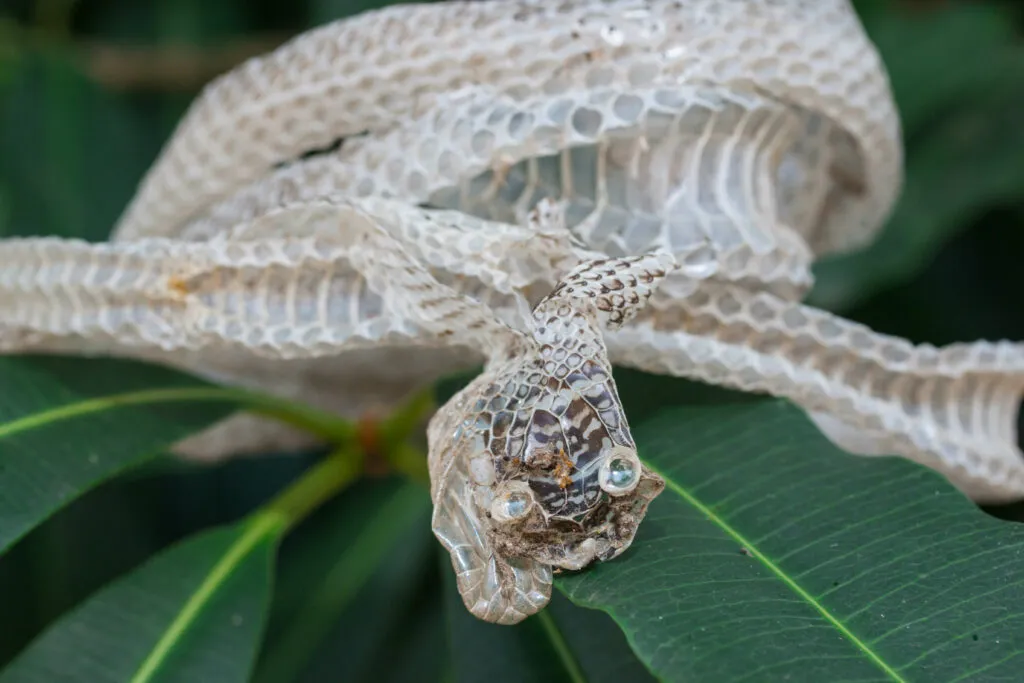
Snake Shedding Skin
During shedding - The entire shedding cycle typically lasts approximately 1-2 weeks, depending on the snake's size and age, among other factors. As the shedding begins, the snake will retreat to its safe spot and begin the grueling task of removing the old skin.