Exploring the Wonders of Tick Prevention For Cats In Grassy Areas Through Photography
Ticks in Cats
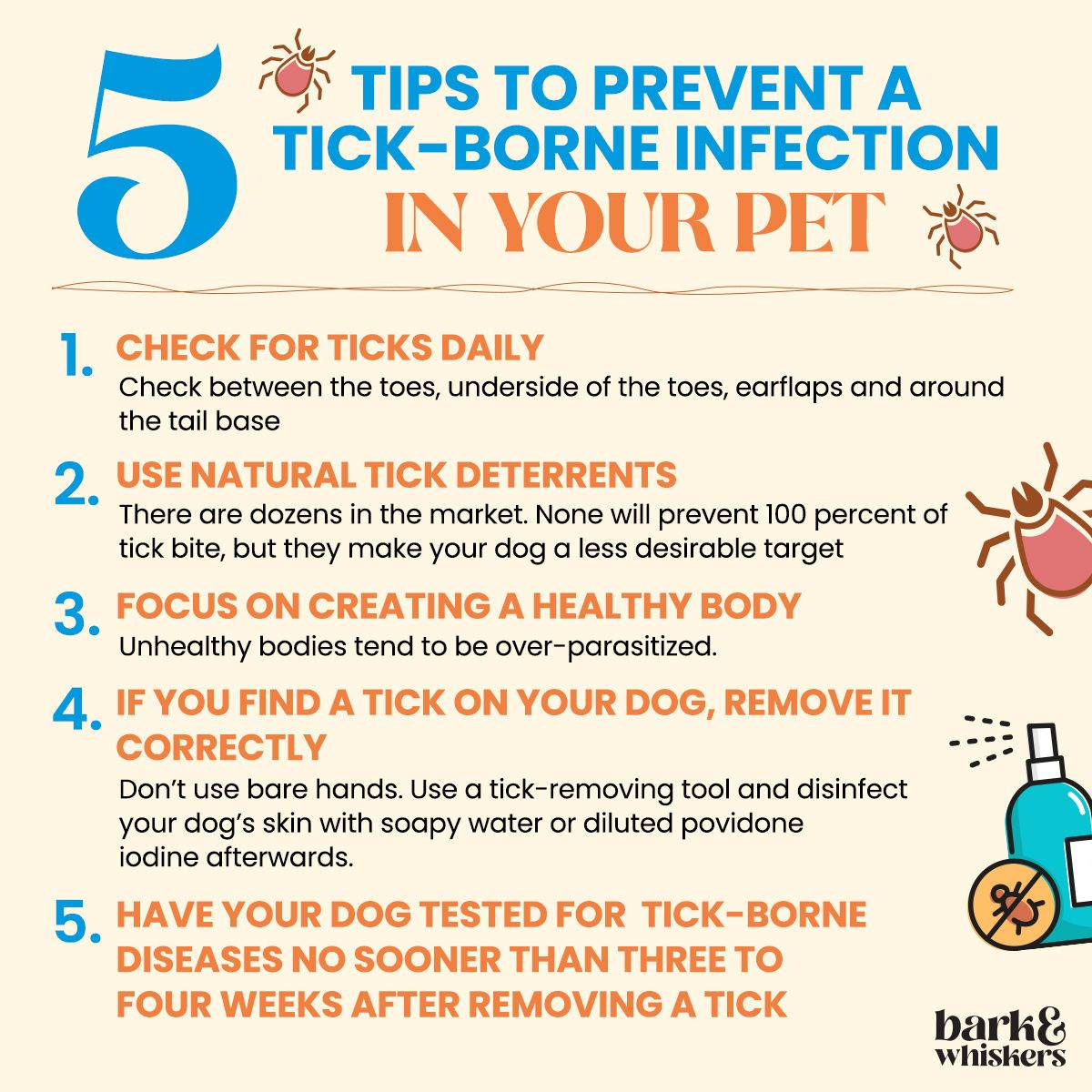
How Dangerous Are Ticks For Cats ? Since ticks can transmit dangerous diseases, you should check your outdoor cat thoroughly for ticks at least once a day. Combined with a cuddle, you can carefully examine your cat's entire body. Pay particular attention to the areas with little fur that ticks prefer. They tend to settle around the head, neck, ears, tummy and the insides of the thighs ...
Tick Prevention For Cats In Grassy Areas
This particular example perfectly highlights why Tick Prevention For Cats In Grassy Areas is so captivating.
They're often found in grassy , wooded or rural areas — which means countryside strolls, garden explorations, or even lounging in the backyard can all put pets at risk. While most tick bites are harmless, some ticks carry serious diseases such as Lyme disease or babesiosis, which can affect both dogs and cats .
Tick Prevention For Cats In Grassy Areas
Moving forward, it's essential to keep these visual contexts in mind when discussing Tick Prevention For Cats In Grassy Areas.
Ticks on cats
Tick Prevention For Cats In Grassy Areas
Your cat's most likely to pick up ticks while exploring and climbing in grassy and wooded areas - but ticks could even be in your garden. The temperature and humidity conditions are most favourable for ticks from spring until the end of autumn, but your cat could come across ticks at any time of the year.